Detailed explanation of the properties and applications of eight metals: titanium, nickel, tungsten, molybdenum, tantalum, niobium, zirconium and chromium
Metals are indispensable core materials in modern industry, technology, medical and other fields. Different metals play an irreplaceable role in their respective fields by virtue of their unique physical and chemical properties. Eight metals, titanium, nickel, tungsten, molybdenum, tantalum, niobium, zirconium, and chromium, are both rare and high-performance and are widely used in strategic fields such as aerospace, electronic information, biomedicine, and high-end manufacturing. This article will analyze the physical and chemical properties of each metal one by one, combined with actual application scenarios, to comprehensively present its value and application value, and provide a reference for the understanding and application of related fields.
1. Titanium (Ti) - lightweight and high-strength "space metal"
(1) Physical properties
Titanium is a silver-gray transition metal with an atomic number of 22 and an atomic weight of 47.867. It is located in Group IVB of the 4th period of the periodic table of elements. The electron configuration is (Ar)3d²4s². Its core physical properties highlight "light weight and high strength", with a density of only 4.502g/cm³ (at 20°C), which is about 57% of steel, but its tensile strength can reach 450-1600MPa, far exceeding ordinary steel, and it has excellent toughness and is not easy to break. The melting point of titanium is as high as 1668°C and the boiling point is 3287°C. It can still maintain good mechanical properties in high temperature environments; it is solid at room temperature and has good plasticity and processability. It can be rolled into plates, strips, wires, tubes and other profiles. It also has medium thermal and electrical conductivity and a small linear expansion coefficient (8.6×10⁻⁶/℃), which is close to the linear expansion coefficient of human bones, which lays the foundation for its medical applications. In addition, titanium has certain magnetism, is a paramagnetic substance, is non-toxic and has excellent biocompatibility.
(2) Chemical properties
The chemical properties of titanium are relatively stable, and it does not easily react with oxygen, nitrogen, water, etc. at room temperature. This is because a dense layer of titanium oxide (TiO₂) film will quickly form on its surface. The thickness is only a few nanometers, but it can effectively isolate the erosion of external media and play a good anti-corrosion role. However, at high temperatures (over 600°C), titanium reacts with oxygen and nitrogen to form titanium oxide and titanium nitride; it reacts with hydrogen to form titanium hydride, causing the material to embrittle. Titanium has strong corrosion resistance and is insoluble in common acid solutions such as dilute hydrochloric acid, dilute sulfuric acid, and nitric acid. However, it is soluble in hydrofluoric acid and a mixture of hydrofluoric acid and nitric acid, and can also react slowly with strong alkaline solutions. In addition, titanium has good coordination ability and can form alloys with a variety of elements to further optimize its performance.
(3) Application scenarios
1. Aerospace field: Due to their light weight, high strength, and high temperature resistance, titanium and titanium alloys are core materials for manufacturing aircraft, rockets, satellites and other spacecraft. They are used in key components such as fuselages, wings, engine blades, and landing gear. They can effectively reduce the weight of spacecrafts and improve flight efficiency and reliability. They are indispensable "space metals" in the aerospace industry.
2. Biomedical field: With its excellent biocompatibility and non-toxicity, titanium is widely used to manufacture medical implants such as artificial bones, joints, dental implants, and heart stents. The oxide film on its surface can combine well with human tissue, is not prone to rejection reactions, and is strong enough to support human activity needs.
3. Chemical industry: The corrosion resistance of titanium makes it suitable for manufacturing chemical equipment, such as reactors, heat exchangers, pipes, valves, etc. It is especially suitable for use in harsh working conditions such as strong acid, strong alkali, high temperature and high pressure, which can extend the service life of equipment and reduce maintenance costs.
4. Other fields: Titanium is also used in the manufacture of ship parts (resistant to seawater corrosion), sports equipment (such as golf clubs, bicycle frames), electronic equipment casings, etc. It is also used in the nuclear industry to manufacture structural components of nuclear reactors.
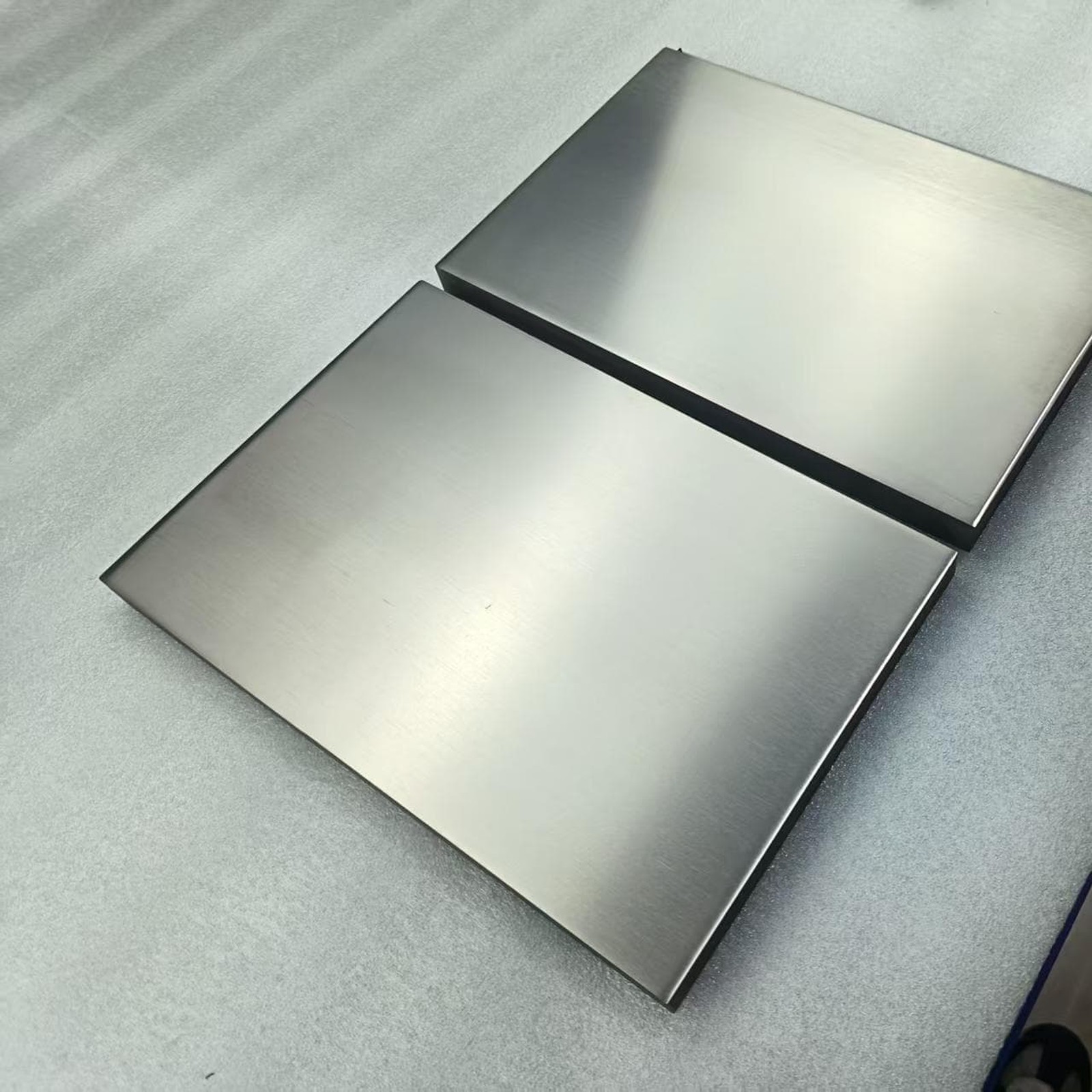
Our Titanium products



2. Nickel (Ni) - the "alloy cornerstone" with both corrosion resistance and magnetism
(1) Physical properties
Nickel is a shiny silver-white metal with a slight golden tone, atomic number 28, atomic weight 58.6934, located in group VIII of period 4 of the periodic table of elements, and the electron configuration is (Ar)3d⁸4s² (or (Ar)3d⁹4s¹). Its density is 8.907g/cm³ (at 20℃), which is between iron and copper. Its melting point is 1455℃ and its boiling point is 2730℃. It is solid at room temperature and has a tough texture. It has good ductility, plasticity and processability. It can be drawn into wires and rolled into plates, and has excellent thermal and electrical conductivity. Nickel has medium hardness (Mohs hardness 4-5), good wear resistance, and significant ferromagnetism, which can be attracted by magnets. It is one of the important magnetic materials. The Curie temperature is about 358°C. The magnetism disappears after exceeding this temperature.
(2) Chemical properties
The chemical properties of nickel are relatively stable and are not easily oxidized by air at room temperature. A thin oxide film will form on the surface to prevent further corrosion. It can also remain stable in humid air and is not easy to rust. Nickel can slowly react with dilute hydrochloric acid and dilute sulfuric acid to release hydrogen, and react with nitric acid to form nickel nitrate; but it does not react with strong alkaline solutions and has certain corrosion resistance. At high temperatures, nickel can react with elements such as oxygen, nitrogen, carbon, and sulfur to form compounds such as nickel oxide, nickel nitride, and nickel carbide. In addition, nickel has strong coordination ability and can form stable complexes with a variety of ligands. It is also an important alloying element. Alloys formed with iron, chromium, copper and other metals can significantly improve the performance of materials.
(3) Application scenarios
1. Alloy manufacturing field: Nickel is one of the core elements for manufacturing stainless steel. Stainless steel with added nickel (such as 304 and 316 stainless steel) has greatly improved corrosion resistance, toughness and welding performance, and is widely used in construction, chemical industry, food processing, medical equipment and other fields. In addition, nickel is also used to manufacture high-temperature alloys, corrosion-resistant alloys, precision alloys, etc., and is used in high-end equipment such as aircraft engines, gas turbines, and nuclear reactors.
2. Magnetic material field: Nickel and nickel alloys (such as nickel-iron alloy, nickel-cobalt alloy) have excellent magnetic properties and are used to manufacture permanent magnets, transformer cores, electromagnetic relays, audio tapes, etc., and are widely used in electronics, electricity, communications and other fields.
3. Electroplating field: The electroplating layer of nickel has the characteristics of uniformity, density, corrosion resistance, and wear resistance. It is widely used in metal surface treatment, such as automobile parts, electronic components, hardware products, etc., which can not only improve the appearance and texture, but also extend the service life.
4. Other fields: Nickel is also used in the manufacture of batteries (such as nickel-cadmium batteries, nickel-hydrogen batteries), catalysts (for chemical reactions), coins, etc. It also has important applications in aerospace, shipbuilding and other fields.
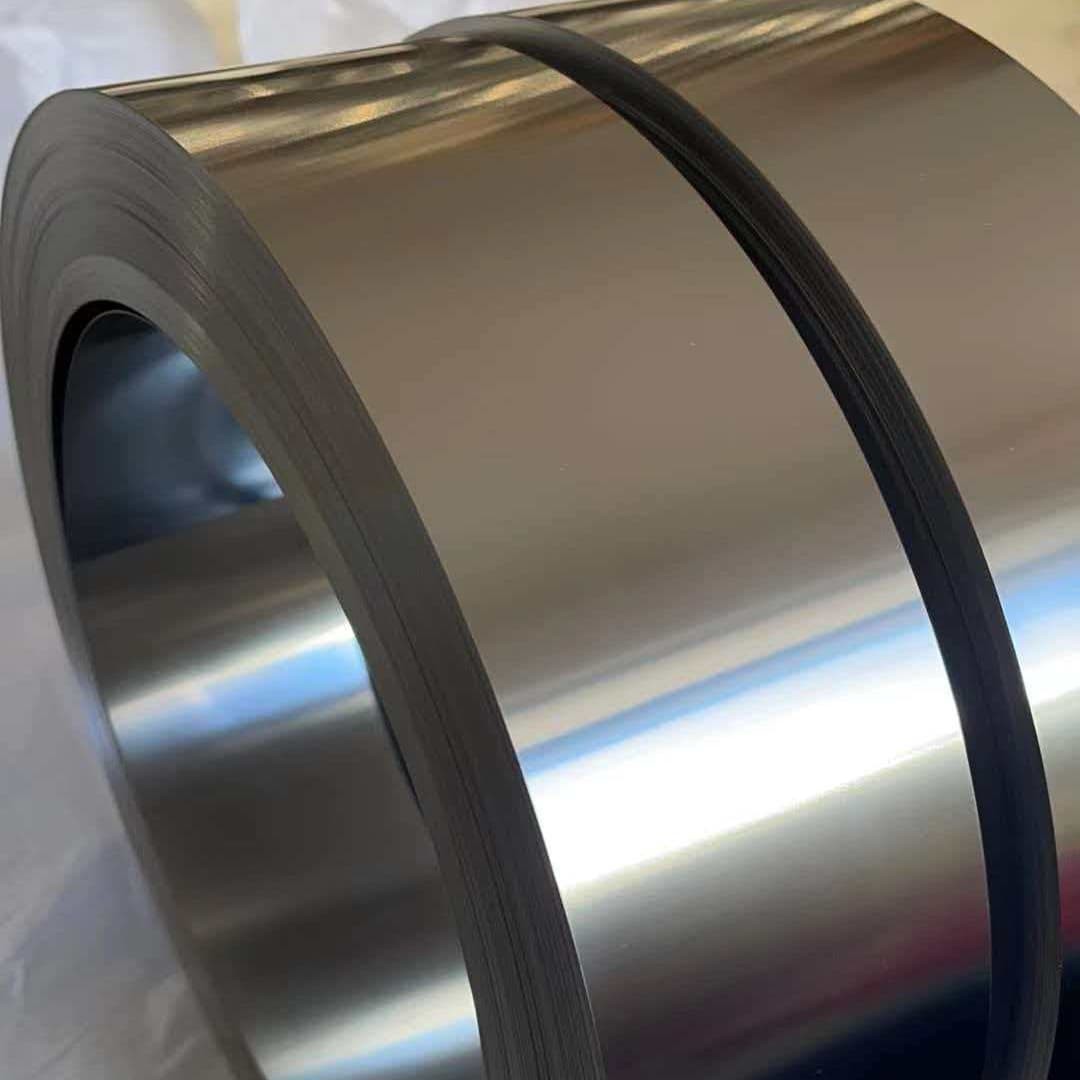
Our Nickel products



3. Tungsten (W) - the "King of Metals" with high temperature resistance
(1) Physical properties
Tungsten is a steel gray to silvery white metal with an atomic number of 74 and an atomic weight of 183.84. It is located in the VIB group of period 6 of the periodic table of elements. The electron configuration is (Xe)4f¹⁴5d⁴6s². Its most significant physical property is high temperature resistance, with a melting point as high as 3422°C and a boiling point of 5930°C. It has the highest melting point among all metals, so it is called the "King of Metals". The density of tungsten is 19.254g/cm³ (at 20°C), which is 2.3 times that of iron. It is hard (Mohs hardness 7.5) and extremely wear-resistant. However, its toughness is poor, it is brittle at room temperature, and it is difficult to process. It requires forging, rolling and other processing processes at high temperatures. Tungsten has excellent thermal and electrical conductivity, a very small coefficient of linear expansion (4.5×10⁻⁶/℃), good dimensional stability at high temperatures, and is not easily deformed.
(2) Chemical properties
Tungsten has stable chemical properties and does not react with oxygen, water, hydrochloric acid, sulfuric acid, nitric acid, etc. at room temperature. It is only soluble in a mixture of hydrofluoric acid and nitric acid, and molten strong alkali. At high temperatures (over 400°C), tungsten will react with oxygen to form tungsten trioxide (WO₃); it will react with carbon to form tungsten carbide (WC). Tungsten carbide has extremely high hardness and is an important cemented carbide material. In addition, tungsten can form alloys with a variety of metals, such as tungsten ferroalloy, tungsten-copper alloy, etc., which can optimize its processing performance and mechanical properties. Tungsten has various oxidation states, with +4 and +6 valences being common. Its compounds (such as tungsten trioxide, tungstic acid) are widely used in chemical industry, electronics and other fields.
(3) Application scenarios
1. High-temperature field: Due to its extremely high melting point, tungsten is widely used in the manufacture of high-temperature equipment and components, such as filaments of incandescent lamps and tungsten halogen lamps, heating elements and furnace walls of high-temperature furnaces, turbine blades of aerospace engines, rocket nozzles, etc. It can maintain stable performance in extremely high-temperature environments.
2. Carbide field: Tungsten carbide (WC) is combined with cobalt, nickel and other metals to make cemented carbide with high hardness and strong wear resistance. It is used to manufacture cutting tools (such as turning tools, milling cutters), drill bits, molds, wear-resistant parts, etc., and is widely used in mechanical processing, mining, oil drilling and other fields.
3. Electronic field: Tungsten has excellent electrical conductivity and high temperature resistance. It is used to manufacture electron tube cathodes, semiconductor chip leads, electrical contacts, etc. It has important applications in electronic equipment, communication equipment and other fields.
4. Other fields: Tungsten is also used in the manufacture of counterweights (such as counterweights for aircraft and ships), shielding materials for nuclear reactors, and as deoxidizers and alloy additives in the metallurgical industry.
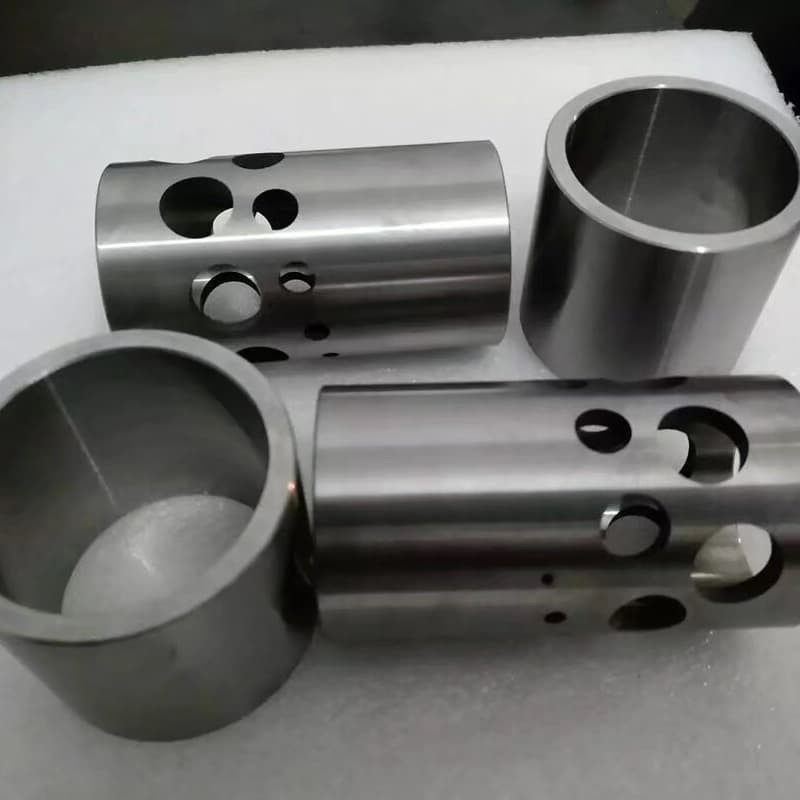
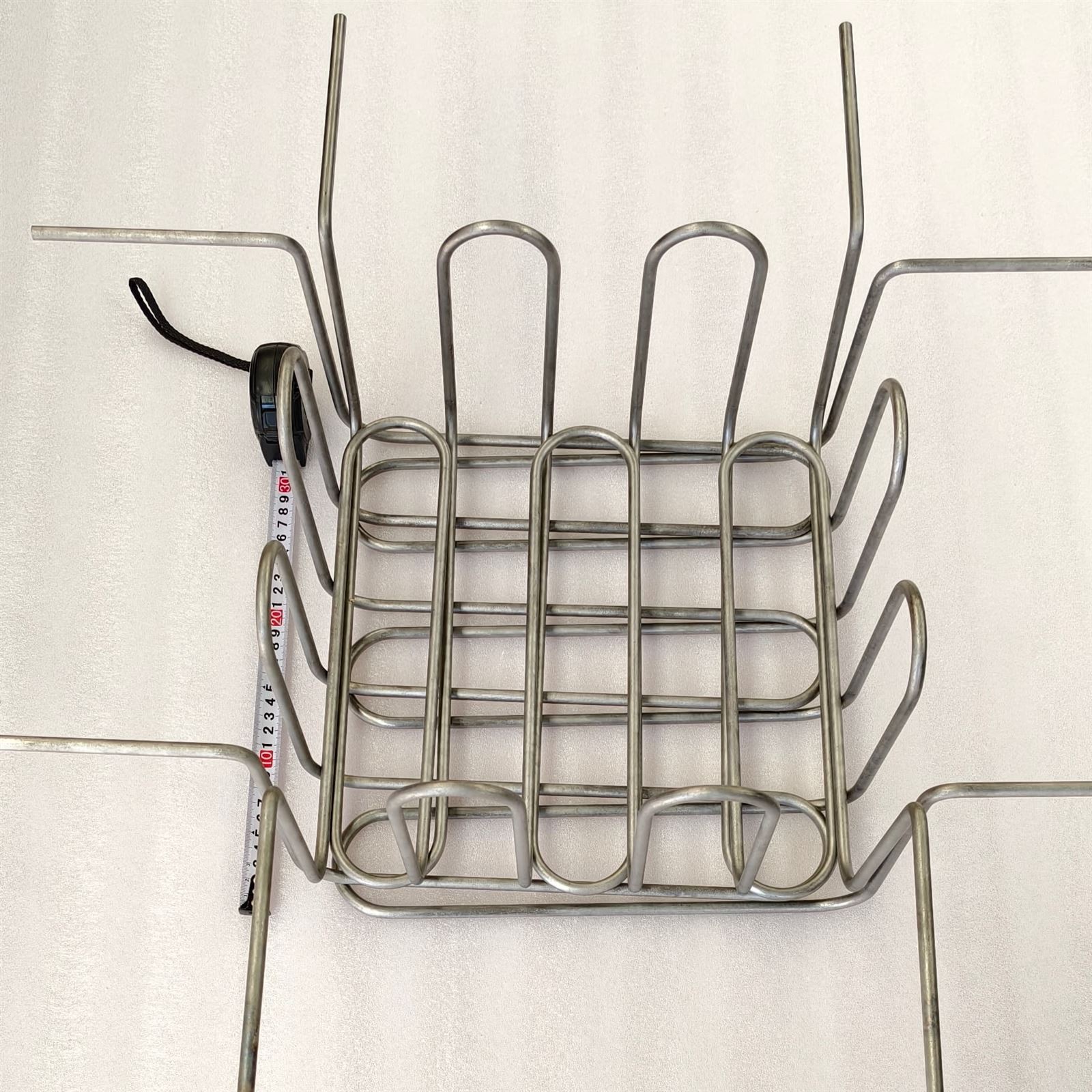
our Tungsten products


4. Molybdenum (Mo) - high-temperature and tough "industrial MSG"
(1) Physical properties
Molybdenum is a silver-gray metal with an atomic number of 42 and an atomic weight of 95.95. It is located in group VIB of period 5 of the periodic table of elements. Its electron configuration is (Kr)4d⁵5s¹. Its density is 10.223g/cm³ (at 20℃), its melting point is 2623℃, and its boiling point is 4639℃. Its high temperature resistance is second only to tungsten. It is solid at room temperature, has tough texture, good ductility and plasticity. It has good properties and workability, and can be rolled into plates, strips, wires, rods and other profiles. It has excellent thermal and electrical conductivity, a small linear expansion coefficient (5.10×10⁻⁶/℃), stable mechanical properties at high temperatures, and is not easy to deform or become brittle. Molybdenum has medium hardness (Mohs hardness 5.5), good wear resistance, and has certain corrosion resistance.
(2) Chemical properties
The chemical properties of molybdenum are relatively stable and are not easily oxidized by air at room temperature. A dense oxide film will be formed on the surface to prevent further corrosion. It is insoluble in dilute hydrochloric acid and dilute sulfuric acid, reacts with nitric acid to form molybdenum acid, and reacts slowly with hydrofluoric acid. At high temperatures, molybdenum reacts with oxygen to form molybdenum trioxide (MoO₃), which reacts with carbon to form molybdenum carbide (MoC). Molybdenum carbide has high hardness and strong wear resistance, and is an important cemented carbide raw material. In addition, molybdenum can form alloys with a variety of metals, such as molybdenum steel, molybdenum-copper alloy, molybdenum-titanium alloy, etc., which can significantly improve the high-temperature strength, corrosion resistance and toughness of the alloy; the common oxidation states of molybdenum are +4 and +6, and its compounds (such as molybdate acid, molybdate) are widely used in chemical industry, agriculture and other fields.
(3) Application scenarios
1. Steel industry: Molybdenum is an important alloy additive, known as "industrial monosodium glutamate". Adding a small amount of molybdenum (0.1%-0.5%) to steel can significantly improve the high-temperature strength, toughness, wear resistance and corrosion resistance of steel. It is used to manufacture high-strength steel, heat-resistant steel, stainless steel, tool steel, etc., and is widely used in machinery manufacturing, aerospace, automotive industry and other fields.
2. High-temperature field: Molybdenum has excellent high-temperature resistance and is used to manufacture heating elements, furnace walls, thermocouple protective sleeves for high-temperature furnaces, as well as aerospace engine parts, rocket nozzles, etc. It can maintain stable mechanical properties in high-temperature environments.
3. Electronic field: Molybdenum has excellent electrical conductivity, thermal conductivity and high temperature resistance. It is used to manufacture electron tube cathodes, semiconductor chip leads, electrical contacts, printed circuit boards, etc. It has important applications in the fields of electronic equipment, communication equipment, and new energy.
4. Other fields: Molybdenum is also used in the manufacture of cemented carbide (such as molybdenum carbide-based cemented carbide), catalysts (used in petrochemical and coal chemical reactions), agricultural fertilizers (molybdenum fertilizer, promotes plant growth), etc. It is also used in the nuclear industry to manufacture structural components of nuclear reactors.
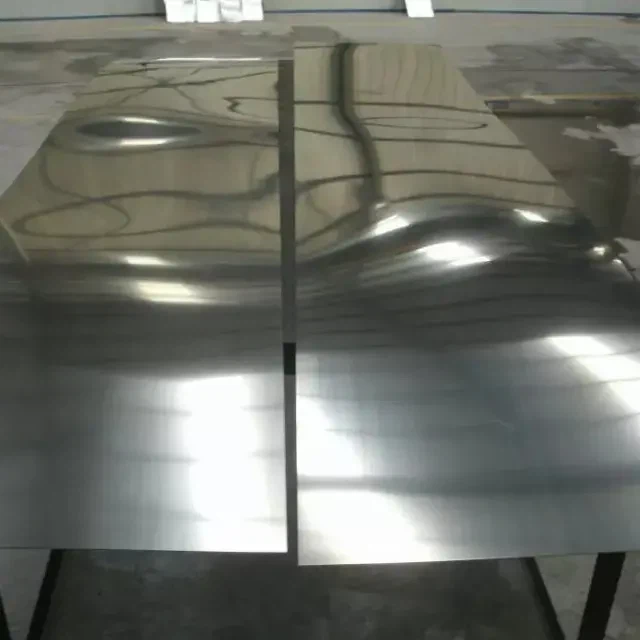
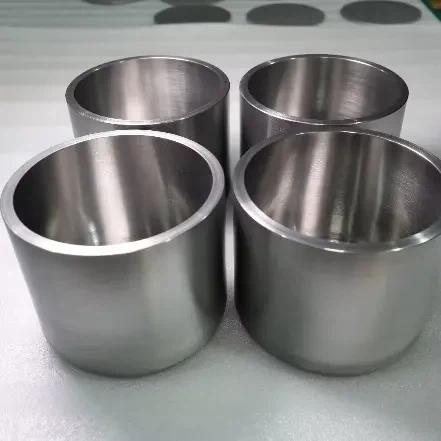
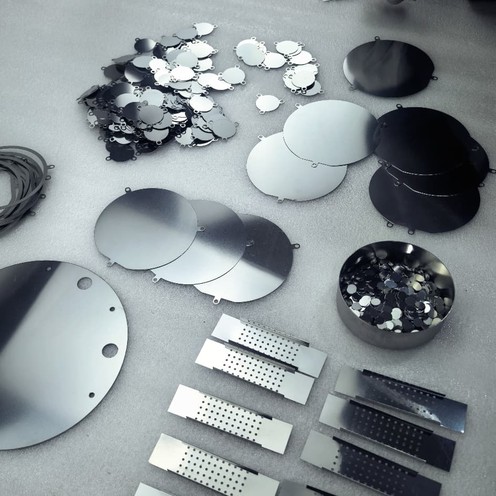
Our Molybdenum products

5. Tantalum (Ta) - a "high-end material" with strong corrosion resistance
(1) Physical properties
Tantalum is a silver-gray rare metal with an atomic number of 73 and an atomic weight of 180.9479. It is located in group VB of period 6 of the periodic table of elements. Its density is 16.654g/cm³ (at 20℃), its melting point is as high as 3017℃, and its boiling point is 5458℃. It has excellent high temperature resistance, is solid at room temperature, has a soft texture, and has good ductility and plasticity. , can be drawn into filaments and rolled into thin foils (thickness can reach 0.01mm), and has excellent thermal and electrical conductivity, small linear expansion coefficient (6.5×10⁻⁶/℃), good dimensional stability at high temperatures, and is not easily deformed. Tantalum has medium hardness, good wear resistance, excellent biocompatibility, non-toxicity and no rejection reaction with human tissues.
(2) Chemical properties
The chemical properties of tantalum are extremely stable and it is one of the metals with the strongest corrosion resistance in nature. It does not react with any strong acid or alkali such as oxygen, nitrogen, water, hydrochloric acid, sulfuric acid, nitric acid, aqua regia (except hydrofluoric acid and fuming sulfur trioxide) at room temperature. Its corrosion resistance even exceeds that of glass and polytetrafluoroethylene. At high temperatures (over 200°C), tantalum reacts with oxygen to form tantalum pentoxide (Ta₂O₅), which reacts with carbon to form tantalum carbide (TaC). Tantalum carbide is extremely hard and is an important cemented carbide raw material. In addition, tantalum has good coordination ability and can form alloys with a variety of elements. At the same time, its oxide (tantalum pentoxide) has excellent dielectric properties and is an important raw material for electronic components.
(3) Application scenarios
1. Electronic field: This is the main application field of tantalum, accounting for about 50%-60% of its total consumption. Tantalum powder can be sintered into an anode block with a very high specific surface area. The tantalum pentoxide dielectric film generated on its surface has a very high dielectric constant and can be used to manufacture tantalum capacitors with small size, large capacity and good stability. They are widely used in mobile phones, computers, digital cameras, automotive electronics, military equipment, medical equipment and other electronic circuits that have strict requirements for miniaturization and high performance.
2. Chemical industry: With its strong corrosion resistance, tantalum is used to manufacture core components of chemical equipment, such as reactor linings, pipes, valves, pumps, heat exchangers, heating coils, etc. It is especially suitable for use in harsh working conditions such as strong acids, halogens, and organic liquids. It can extend the service life of equipment and reduce maintenance costs.
3. Biomedical field: Tantalum has excellent biocompatibility and is visible under X-rays (facilitating postoperative tracking). It is used to manufacture orthopedic implants (such as bone plates, bone nails, trabecular bone materials), surgical instruments, skull repair plates, dental implant abutments, etc. It can be well integrated with human tissues and is not prone to rejection reactions.
4. Other fields: Tantalum has excellent high-temperature resistance and is used to manufacture high-temperature components of aerospace equipment (such as rocket nozzles and nose cone covers); it is also used to manufacture cemented carbide (to improve the red hardness and wear resistance of tools) and getters for high vacuum equipment (to absorb residual gas and maintain vacuum); it can also be used as an optical glass additive to increase the refractive index and dispersion properties of glass.
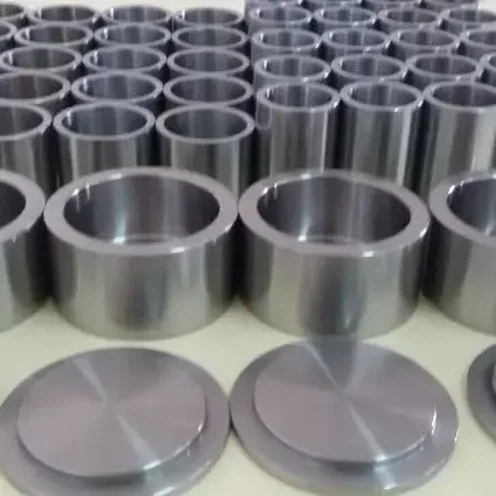
Our Tantalum products



6. Niobium (Nb) - the "noble metal" of superconductors and alloys
(1) Physical properties
Niobium is a silver-grey rare metal with atomic number 41 and atomic weight 92.90637. It is located in the VB group of the fifth period of the periodic table of elements. Its electron configuration is (Kr)4d⁴5s¹. It is closely symbiotic with tantalum and often forms niobium-tantalum deposits. Its density is 8.57g/cm³ (at 20℃), its melting point is 2477℃, and its boiling point is 4744℃. It has excellent high temperature resistance, is solid at room temperature, is tough in texture, has good ductility, plasticity and processability, and can be rolled into plates, strips, wires, rods and other profiles. It has excellent thermal and electrical conductivity, a small linear expansion coefficient, a Mohs hardness of 6, and good wear resistance and deformation resistance. The biggest feature of niobium is its excellent superconducting properties and high superconducting transition temperature.
(2) Chemical properties
The chemical properties of niobium are relatively stable. It is not easily oxidized by air at room temperature and has strong corrosion resistance. When the temperature reaches 200°C, it begins to be oxidized. It can directly combine with sulfur, carbon, and nitrogen, but does not react with inorganic acids or bases. It is insoluble in aqua regia and can only be dissolved in hydrofluoric acid. Niobium can be oxidized in air at 349.85°C to form a bright yellow oxide film. As the temperature continues to rise, the thickness of the oxide film increases, and the color turns blue, and turns to black at 399.85°C. In addition, niobium can form alloys with a variety of metals, such as niobium-titanium alloys, niobium-nickel alloys, etc., which can optimize their superconducting properties and mechanical properties.
(3) Application scenarios
1. Steel industry: This is the largest industry for niobium consumption. Niobium is mainly used in high-strength low-alloy steel (HSLA steel) in the form of ferroniobium, which belongs to "micro-alloyed" steel. Adding only 0.03%-0.05% niobium to steel can increase the yield strength of steel by more than 30%, and at the same time improve the toughness, high-temperature oxidation resistance, corrosion resistance and welding performance of steel. It can be used to manufacture oil and gas pipelines, automotive parts, steel rails, ship hulls and high-strength steel bars for building structures, etc., to help lighten automobiles and reduce carbon emissions.
2. Aerospace field: This is the second largest industry in niobium consumption and the main application field of high-purity niobium. High-purity ferroniobium, niobium-nickel alloy, niobium-tantalum heat-strength alloy, etc., have excellent high temperature resistance, heat strength and processability, and can be made into thin and complex-shaped parts. They are used to produce heat-resistant parts for aircraft engines, rocket engines, artificial satellites, spacecrafts, gas turbine engines, etc.
3. Superconducting field: This is one of the most promising application fields of niobium. Niobium alloys have a high superconducting transition temperature and are used to produce superconducting magnets. They are widely used in maglev trains, nuclear magnetic resonance (MRI) devices, nuclear particle accelerators and nuclear fusion reactors. The core electromagnets of MRI instruments are often made of copper-plated niobium-titanium alloys.
4. Other fields: Niobium is used in the electronics industry to produce capacitors with small size and large capacitance; in the chemical industry it is used to manufacture corrosion-resistant equipment; it is also used in the manufacture of high-temperature alloys, cemented carbide, etc.
Our Niobium products

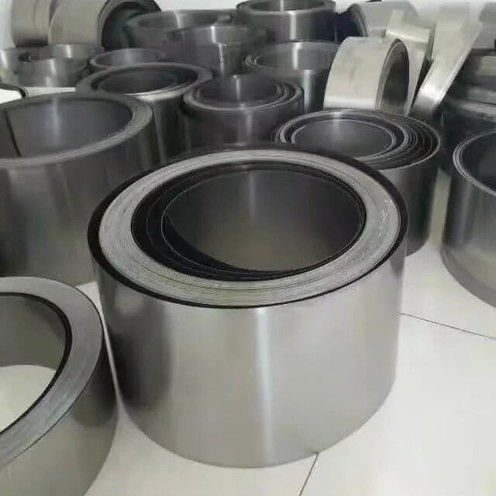


7. Zirconium (Zr) - a "special metal" that is resistant to radiation and corrosion
(1) Physical properties
Zirconium is a silver-gray shiny transition metal with an atomic number of 40 and an atomic weight of 91.224. It is located in group IVB of period 5 of the periodic table of elements, and its electron configuration is 4d²5s². Its density is 6.506g/cm³ (at 20℃), its melting point is 1852℃, and its boiling point is 4377℃. It is solid at room temperature, has strong plasticity, and is resistant to high temperatures, corrosion, and radiation. Zirconium has two crystal structures. The phase transition temperature below 860-870°C is the α type of the hexagonal crystal system, and the above is the β type of the cubic crystal system. It has a small thermal neutron capture cross-section (0.18b), excellent radiation resistance, and good gettering properties (can strongly absorb oxygen, hydrogen, nitrogen and other gases at high temperatures), and can also store hydrogen.
(2) Chemical properties
Zirconium has relatively active chemical properties and can react with water, acid, and alkali to release hydrogen; it can undergo addition reactions with non-metallic elements such as oxygen, hydrogen, nitrogen, and halogens to generate zirconium-containing binary compounds. Solid zirconium is stable at room temperature. When heated to 200°C, it can slowly react with oxygen to generate zirconium oxide (ZrO₂). Zirconium oxide can form a strong oxide film on the surface of zirconium to improve its corrosion resistance. Powdered zirconium is easy to spontaneously ignite, and the ignition point varies between 80-285°C depending on the particle size. Zirconium is insoluble in water, slightly soluble in acid, soluble in hydrofluoric acid and aqua regia, and does not react with concentrated hydrochloric acid at room temperature. After heating, it reacts slowly to form zirconium chloride and releases hydrogen gas; it can also react with alkali such as potassium hydroxide to form potassium zirconate and release hydrogen gas. At high temperatures, zirconium can absorb carbon monoxide and carbon dioxide, and can also react with zirconium tetrabromide and other substances.
(3) Application scenarios
1. Atomic energy industry: Due to zirconium's high melting point, moderate density, high strength, strong plasticity, and small thermal neutron capture cross-section, its alloys (such as Zr-2, Zr-4 alloys) are core structural materials for nuclear reactors, nuclear fuel, nuclear submarines and uranium rods, and are widely used in the atomic energy industry. For example, the nuclear reactor of the Oak Ridge National Laboratory in the United States is built from zirconium alloys.
2. Chemical industry: Pure zirconium has excellent acid and alkali resistance and is used to manufacture reactors, pumps, heat exchangers, valves, stirrers, etc. of chemical equipment. It is especially suitable for use in highly corrosive working conditions; zirconium chips can be used as steelmaking additives for deoxidation and denitrification, and can also be used as grain refiners for aluminum alloys.
3. Electronic field: Zirconium has good gettering properties, and its alloys can be used as getters in the electron tube industry. For example, zirconium-graphite getters are used in traveling wave tubes and
4. Other fields: Zirconium powder is used to produce fireworks, weapons (such as bullet tubes, armor-piercing incendiary ammunition), and powder metallurgy; zirconium alloys are used to manufacture medical devices (such as prostheses, bone implant materials, artificial kidneys), and spacecraft parts (such as rocket nozzles, jet engine blades); zirconium compounds (such as zirconia) are used to manufacture refractory materials, abrasive materials, gemstone raw materials, etc.
Our Zirconium Products
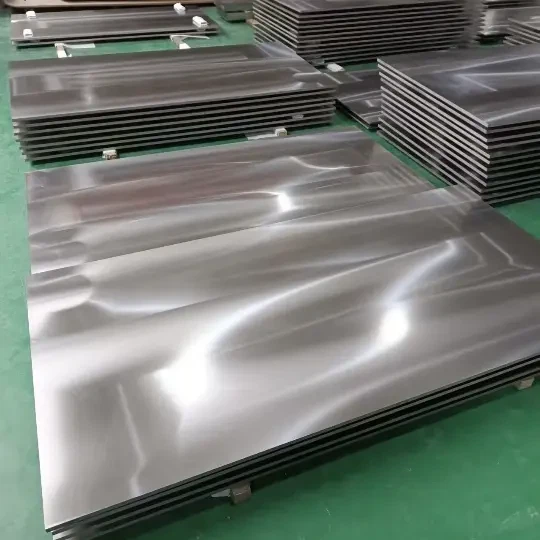


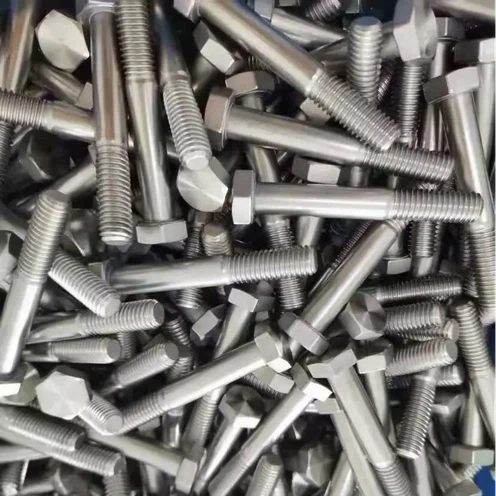
8. Chromium (Cr) - hard and wear-resistant "anti-corrosion expert"
(1) Physical properties
Chromium is a silver-gray metal with atomic number 24 and atomic weight 51.9961. It is located in Group VIB of the 4th period of the periodic table of elements. Its density is 7.19g/cm³ (at 20℃), its melting point is 1907℃, and its boiling point is 2671℃. It is solid at room temperature and has a hard texture (Mohs hardness 9, second only to diamond). It has strong wear resistance and is one of the hardest among all metals. Chromium has poor ductility and plasticity, and is not easy to process at room temperature. It needs to be forged and rolled at high temperatures. It has excellent thermal and electrical conductivity, a small linear expansion coefficient (6.2×10⁻⁶/℃), and it also has certain ferromagnetic properties and can be attracted by magnets.
(2) Chemical properties
Chromium has relatively active chemical properties and is easily oxidized by air at room temperature. A dense chromium oxide (Cr₂O₃) film will be formed on the surface. This film can effectively isolate the corrosion from external media, making chromium have good corrosion resistance and not easy to rust. Chromium can react with dilute hydrochloric acid and dilute sulfuric acid to release hydrogen. It can react with nitric acid to generate chromium nitrate. It can react with elements such as oxygen, nitrogen, carbon, and sulfur to generate compounds such as chromium oxide, chromium nitride, and chromium carbide. Among them, chromium carbide has extremely high hardness and is an important cemented carbide raw material. The common oxidation states of chromium are +3 and +6. The +6-valent chromium compounds (such as chromate and dichromate) are highly oxidizing, while the +3-valent chromium compounds are relatively stable and less toxic.
(3) Application scenarios
1. Electroplating field: This is one of the most important application fields of chromium. The electroplating layer of chromium has the characteristics of uniform, dense, hard, wear-resistant and corrosion-resistant. It is widely used in metal surface treatment, such as automobile parts, electronic components, hardware products, tableware, medical equipment, etc. It can not only improve the appearance and texture, but also extend the service life. It can also play a decorative role (such as the mirror effect of chrome-plated parts).
2. Alloy manufacturing field: Chromium is one of the core elements in the manufacture of stainless steel, heat-resistant steel, and tool steel. The hardness, wear resistance, and corrosion resistance of alloys added with chromium are greatly improved. For example, the chromium content in stainless steel is usually more than 10%, which can effectively prevent steel from rusting; adding chromium to tool steel can improve the hardness and wear resistance of tools and is used to make turning tools, milling cutters, drill bits, etc.
3. Chemical industry: Chromium compounds (such as chromate, dichromate) have strong oxidizing properties and are used to manufacture oxidants, catalysts, pigments (such as chrome yellow, chrome green), preservatives, etc., and are widely used in chemical industry, coatings, printing and dyeing and other fields.
4. Other fields: Chromium is also used in the manufacture of hard alloys (such as chromium carbide-based hard alloys), magnetic materials, ceramic materials, etc. It is also used as a deoxidizer and alloy additive in the metallurgical industry, and also has important applications in aerospace, machinery manufacturing and other fields.
Our Chromium Products
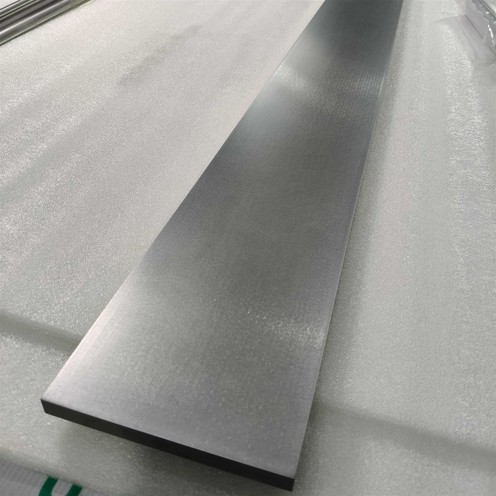


9. Common characteristics and summary of eight metals
The eight metals of titanium, nickel, tungsten, molybdenum, tantalum, niobium, zirconium and chromium are all transition metals and have the following common characteristics: First, they are physically resistant to high temperatures, have high strength, and have good thermal and electrical conductivity, and are indispensable basic materials in the field of high-end manufacturing; second, they are chemically resistant to corrosion and can easily form oxide films on their surfaces, allowing them to adapt to different harsh working conditions; third, they can form alloys with other metals, further optimizing performance through alloying and expanding the scope of applications.
At the same time, each metal has unique core advantages: titanium's light weight, high strength and biocompatibility, nickel's magnetism and alloy compatibility, tungsten's extreme high temperature resistance, molybdenum's high temperature toughness and alloy synergy, tantalum's super corrosion resistance and dielectric properties, The superconducting properties and micro-alloying value of niobium, the radiation resistance and hydrogen storage capabilities of zirconium, and the hard wear resistance and anti-corrosion properties of chromium make them complementary to each other in strategic fields such as aerospace, electronic information, biomedicine, chemical industry, and nuclear industry.
With the continuous development of science and technology, the performance requirements for metal materials continue to increase. The deep processing technology and alloying technology of these eight metals will continue to make breakthroughs, and their application scenarios will be further expanded, providing stronger support for the development of high-end manufacturing and technological progress, and becoming an important material foundation for promoting the development of human society.