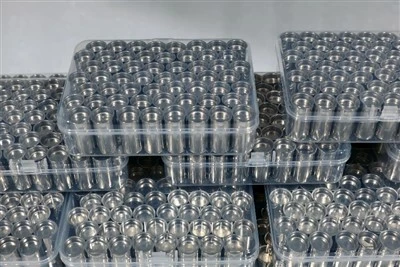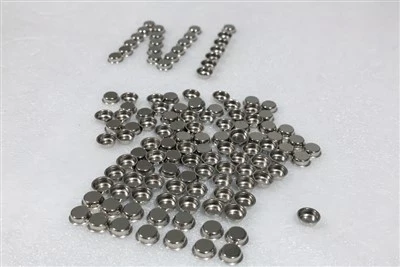
How Mo1 molybdenum nuts stop vacuum furnace failure?
Mo1 molybdenum nuts are very accurate fasteners made from almost pure molybdenum. Lately, "Mo1" means they are at least 99.95% molybdenum. Various nuts are needed for machines that work in very hot places. For instance, vacuum furnaces can get hotter than 1500 °C. Ultimately, regular steel screws would melt or become weak at this heat. Subsequently, however, Mo1 molybdenum nuts stay strong and solid.
Metals need to be very pure. Originally, even a little bit of other things, like oxygen or carbon, can make metals break easily. Brittle metals can crack or snap when you tighten them or when they get hot. Originally, keeping the purity at 99.95% makes sure the nut will work well. This high purity lets the fastener stay solid up to about 2620 °C. It also helps the nut resist "creep," which is when a material slowly changes shape over time under high heat and pressure.
A specific environment is critical to the lifespan of these nuts. Molybdenum is a "fire-resistant" metal, meaning it has good heat resistance. Conversely, if the temperature exceeds 400 °C, it reacts quickly with oxygen in the air. Suddenly, this reaction creates white smoke, which eventually causes the metal to break down. To prevent this, Mo1 nuts are typically used in vacuum chambers or in environments filled with protective gases like argon. In these controlled spaces, the nuts can be used for a long time without rusting or failing.
The manufacturing process uses powder metallurgy technology. Technicians press fine molybdenum powder into a solid shape. Then, they heat the shapes in a special stove until the particles stick together. This process can make very dense and sturdy parts. Finally, a precision machine tool processes threads on the nut. This ensures a tight fit that won't loosen even during the furnace's heat and cool cycles.
NAME
Ava