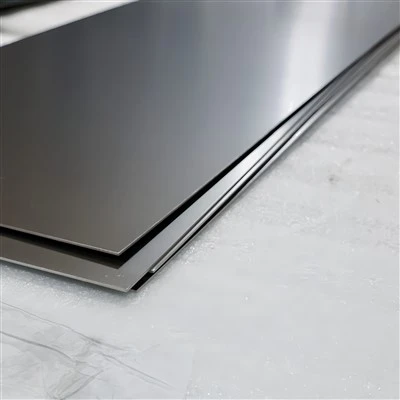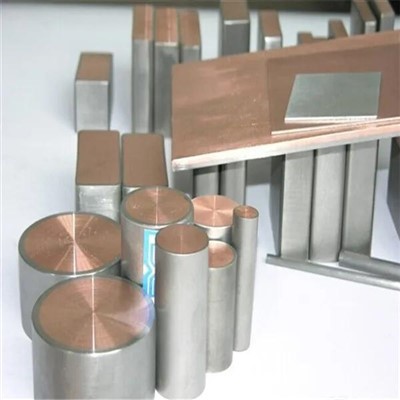

Heat exchange titanium flange for cooling system

Gr2 titanium flange was the recommended grade used for High-pressure heat exchange cooling system, heat exchanger / condenser.
Because TA2 / Grade2 (UNS R50400) industrial pure titanium neck-weld flange WN .
The main grade for most seawater and chloride ion-containing cooling medium high-pressure heat exchangers. Forging + CNC machining, good plasticity, excellent welding performance, resistant to chloride ion corrosion, highest comprehensive cost performance, suitable for high-pressure cooling conditions with temperature < 75℃.
2. Upgrade for high-temperature / high-chloride ion working conditions: TA9 (Gr7), TA10 (Gr12)
When the medium temperature is > 75℃, high-concentration brine / acidic cooling water, TA2 is prone to crevice corrosion. Select titanium-palladium TA9 or titanium-molybdenum-nickel TA10, significantly improving the anti-crevice corrosion ability.
3. Higher pressure, high-strength pressure-bearing conditions: TC4 / Gr5 (Ti-6Al-4V, UNS R56400)
Higher strength, suitable for high-pressure high-temperature pressure-bearing; disadvantage: Higher welding process requirements, higher hydrogen embrittlement risk than pure titanium, priority selection of pure titanium series for corrosive media.
Selection points: High-pressure heat exchange flange should preferentially use forged neck-weld WN flange, not plate flat-weld PL, neck structure can resist bending moment and fatigue, suitable for high-pressure fluctuation of the heat exchanger.

Most common product problems of titanium flange in use
1. Crevice corrosion (most frequent, the number one failure problem of heat exchanger titanium flange)
The contact area between the flange sealing surface and the gasket under high temperature + chloride ions (seawater, brine) + oxygen deprivation stagnation, the passivation film is destroyed, local corrosion perforation and leakage occur below the gasket; the outer surface of the flange looks intact, but the bottom of the gasket is corroded, highly concealed.
2. Flange sealing surface damage, leakage under high pressure
Machine machining scratches, iron ion contamination, assembly impact, destroying the titanium passivation film; uneven bolt torque, pressure fluctuation causes sealing surface indentation, resulting in leakage.
3. Intermetallic corrosion (Galvanic Corrosion)
Titanium flange directly connected to carbon steel / stainless steel pipes, when electrolyte exists, a battery is formed, accelerating corrosion on the carbon steel side, long-term operation causes flange connection to loosen and leak.
4. Welding defects, gas contamination (flange and takeover welding position)
Insufficient welding protection, oxygen and nitrogen infiltration, bluing / whitening of the weld seam, weld seam brittleness, cracking and leakage under high-pressure alternating load.
5. Hydrogen embrittlement
Acidic cooling water, low pH media, hydrogen is generated in the crevice, the titanium substrate absorbs hydrogen to form hydrides, the material becomes brittle, sudden fracture (higher risk in high-temperature acidic cooling systems).
6. Thermal expansion and contraction stress deformation
Cold and hot alternating heat exchange system, different material thermal expansion coefficients difference, loosening of bolt preload, failure of gasket, leakage, dripping and spilling.
How to avoid above problems using Heat exchange titanium flange ?
2.For medium temperature > 75℃, brine / acidic cooling water: Upgrade to TA9 Gr7 or TA10 Gr12
3. Strict control of iron impurities in raw materials, avoid iron ion contamination from carbon steel cutting tools during processing, necessary iron contamination detection.
Contact person: Tracy
Our address
Baoji city, shaanxi province,China
Phone Number
+86-18291730106

Hot Tags: heat exchange titanium flange, China heat exchange titanium flange manufacturers, suppliers, factory, Gr2 Titanium Sheet, Gr5 Titanium Strip, Gr7 Titanium Strip