Ultra-thin high-purity Tantalum Foil (Tantalum Foil) process breakthrough: helping 2026 vacuum thermal field and micro energy storage technology innovation
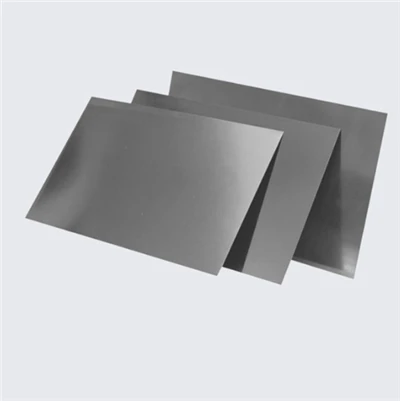
With the upgrading of demand for global aerospace thermal protection systems and next-generation high-reliability electronic components, the field of refractory metals is once again ushering in technological iterations. Recently, industry data show that the number of inquiries for high-purity Tantalum Foil (Tantalum Foil) with a thickness ranging from 0.025 mm to 0.05 mm in the international market has increased by 15% month-on-month, becoming the core material in semiconductor packaging and testing and high-temperature vacuum furnace transformation.

1. Overcome the 2000 °C "thermal barrier"
In the field of high vacuum heat treatment furnaces, how to improve the uniformity of the thermal field and reduce energy consumption has always been a pain point for engineers. The latest furnace design trends in 2026 suggest that multi-layer tantalum foil heat shielding is gradually replacing traditional graphite insulation.
High Reverse Rate and Low Out-gassing Rate: Tantalum foil can maintain extremely low vapor pressure at extremely high temperatures, which means that it will not release impurities to contaminate the treatment parts in a vacuum environment.
Energy saving efficiency: Compared with thickening the furnace wall, the heat loss in the furnace can be reduced by about 20% by using the reflection characteristics of multi-layer annealed tantalum foil.
2. Purity transition: scientific research value from 3N5 to 4N5
For university laboratories and superconducting research institutions, tantalum foil is not only a container, but also an experimental substrate. Entering 2026, through multi-pass cold rolling and online vacuum annealing process, the control of impurities (such as C, O, N, H) of high-performance tantalum foil has reached the PPM level. This high-purity feature ensures that the substrate will not have harmful chemical diffusion with the epitaxial layer in the superconducting film growth experiment, which significantly improves the re-producibility of the paper data.
3. Supply Chain Observation: Differentiated Competition of Precision Molding Technology
At present, the global tantalum foil market is showing obvious "polarization":
Standardized mass production: mainly used for industrial-grade anti-corrosive liners and capacitor anodes.
Precision customization: For flexible electronic shielding and medical implant membranes, tantalum foil is required to have excellent isotropy , that is, the tensile strength in all directions is consistent to prevent tearing during precision stamping.
4. 2026 Market Outlook and Price Trend
Affected by fluctuations in the supply of raw materials and ores and energy costs, the price of high-purity tantalum materials will remain at a high level and fluctuate in the first half of 2026. Experts suggest that relevant laboratories and manufacturing enterprises should build "strategic inventory".
At the same time, with the maturity of domestic high-precision rolling mill technology, the delivery cycle of high-quality tantalum foil has been shortened from 8-12 weeks in previous years to 4-6 weeks, which provides a strong guarantee for the rapid advancement of global scientific research projects.
Looking for a specific thickness of annealed tantalum foil? Contact our materials specialists for custom slicing plans and up-to-date MTC reports.
Monica
Position:Sales Manager
WhatsApp: +86 182 9270 2722
E-mail: Cr-Re@titanmsgp.com