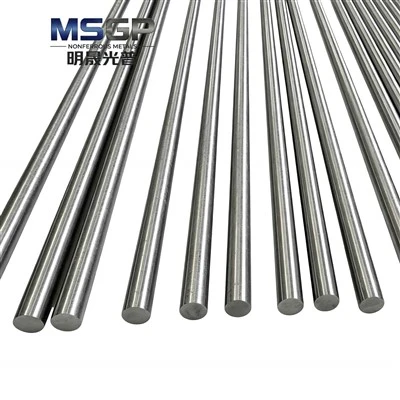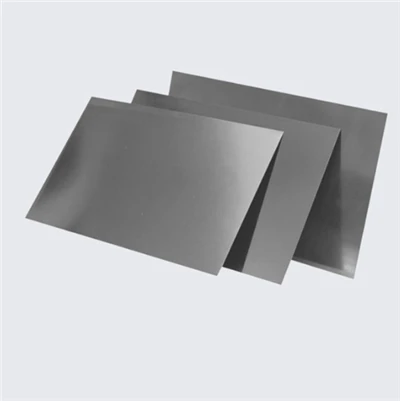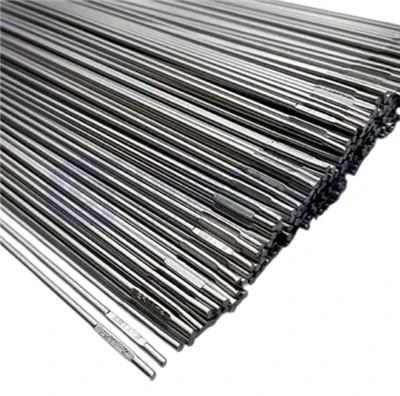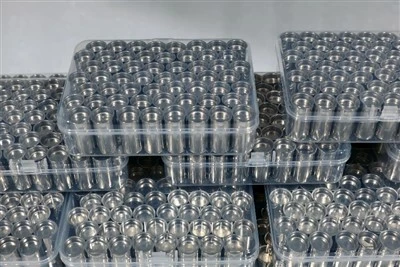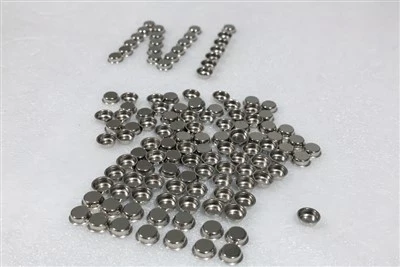
In the field of metal materials, pure nickel strips (generally referred to as N6/Ni200/Ni201) are not known for their high strength or low cost. However, in the new energy, aerospace, and chemical industries, it has an "unshakable" position. When the working condition enters the boundary of extremely high-frequency vibration, extremely strong corrosion, or extreme temperature, conventional materials such as copper, aluminum, or stainless steel often fail due to physical characteristics, and a pure nickel strip is the only choice to ensure the long-term reliability of the system.
Reliability is the cornerstone of power
Ultrasonic Welding (Ultrasonic Welding). In the manufacture of power battery modules (packs), pure nickel strips are the key medium for connecting batteries. Although copper has better electrical conductivity, pure nickel strips have unique, rigid requirements under ultrasonic welding conditions.
Ideal Acoustic Impedance Matching Ultrasonic welding relies on the heat generated by high-frequency vibration friction to combine metal interfaces. The melting point of pure nickel (about 1455°C) and its hardness are moderate, and its acoustic impedance is highly matched with the transfer efficiency of the ultrasonic welding head. In contrast, the heat conduction of copper is too fast, and the heat is easily lost during welding; aluminum is too soft and prone to cracks under high-frequency vibration.
Excellent anti-fatigue and anti-peel performance. During the driving process of electric vehicles, the battery connector needs to withstand long-term vibration stress. Pure nickel welding joints have extremely high toughness and are not prone to brittle fracture. Studies have shown that under the same energy ultrasonic welding conditions, the peel strength and consistency of nickel-nickel or nickel-copper joints are much higher than those of copper-copper joints, which directly determines the ten-year life cycle safety of battery packs.
"Immune Grade" Corrosion Resistance in Extreme Chemical Environments
The stability of pure nickel strips in specific chemical media makes them have an absolute monopoly position in chemical process equipment.
Absolute king in a strong alkali environment. Pure nickel shows nearly perfect corrosion resistance in strong alkali solutions such as caustic soda (NaOH). Stress corrosion cracking of stainless steel will occur in an alkaline solution with a concentration of more than 50% and at high temperatures, and a dense protective film will form quickly on the surface of pure nickel.
Application scenarios: electrode connectors in the production of ionic membrane caustic soda and electrode connections for alkaline water electrolysis, hydrogen production (AWE).
Tolerance of dry halogen gases in dry chlorine (Cl₂) and fluorine (F₂) environments, pure nickel is one of the few materials that can maintain stability. This makes pure nickel strips "just needed" in the sealing liners of the fluorine chemical industry and semiconductor gas transmission pipelines.
Vacuum electrical vacuum devices and physical stability at extreme temperatures
Extremely low gas release rate (outgassing) In vacuum tubes, sensors, and aerospace-grade electrical vacuum devices, materials cannot release impurity gases under high-temperature vacuum. Pure nickel (especially degassed N6 nickel strip) has extremely low vapor pressure and good air absorption performance, which can effectively maintain the purity of the vacuum system, which is difficult to match with stainless steel and alloy materials.
Low resistivity temperature coefficient and thermal conductivity balance. Although the resistivity of nickel is higher than that of copper, its mechanical strength retention rate at high temperature is far higher than that of copper. In environments up to 500℃, pure nickel strips do not oxidize violently and maintain good conductive contact, making them the first choice for high-temperature heating element leads and aero-engine sensor connectors.
Comparison of technical parameters: Why not choose alternatives?
| Characteristic Index | Pure Nickel (Ni200) | Phosphor Bronze | 316L Stainless Steel |
| Consistency of ultrasonic welding | extremely high | medium | low (difficult to weld) |
| Strong alkali corrosion resistance | excellent (grade A) | poor | general (pitting risk) |
| Contact resistance stability | long-term stability | easy to oxidize and become larger | poor (due to the passivation layer) |
| High temperature oxidation resistance temperature | 600℃ | < 250℃ | <800℃ (but conductive difference) |
Summary: The value of pure nickel strips from the perspective of the industry
The "irreplaceability" of pure nickel strips does not stem from a single dimension, but a comprehensive balance of conductivity, welding process performance, and extreme environmental tolerance.
In the field of new energy, it is the "last line of defense" to ensure the safety of high-energy-density battery connections.
In the field of hydrogen energy andthe chemical industry, it is a "hard core life plug-in" that ensures long-term operation and reduces maintenance costs.
With the increasing demand for industrial automation and extreme manufacturing, pure nickel strip is changing from a general-purpose material to a customized functional material (such as ultra-thin foil, nickel strip with special surface treatment).
Industry tips
When purchasing pure nickel strips, you should focus on the nickel content (99.6%) and the Vickers hardness (HV) of the material. For ultrasonic welding conditions, it is usually recommended to select M state (soft state) nickel strip to obtain the best welding shape and adhesion.
lisa
Sales Manager
Phone Number/WhatsApp
(86)-18291772322
Ta-Nb@titanmsgp.com