Industry Frontier Observation: Breaking through extreme thermal fields and liquid metals, niobium-zirconium alloy (Nb-1Zr) containers are becoming the "invisible backbone"
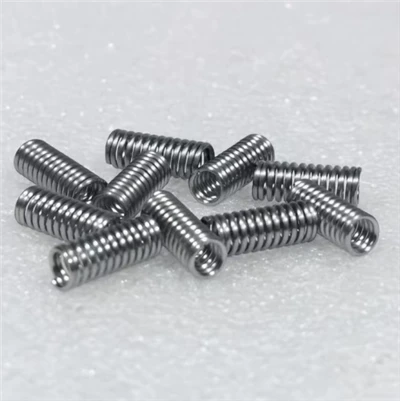
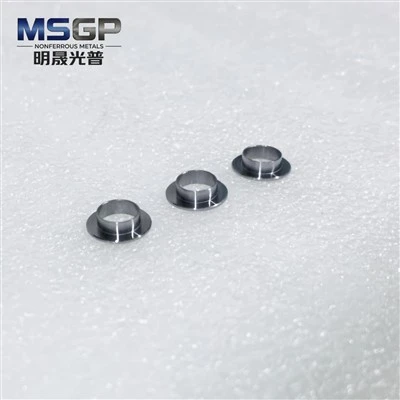
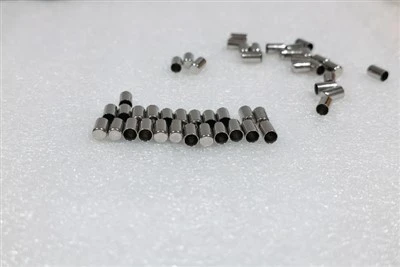
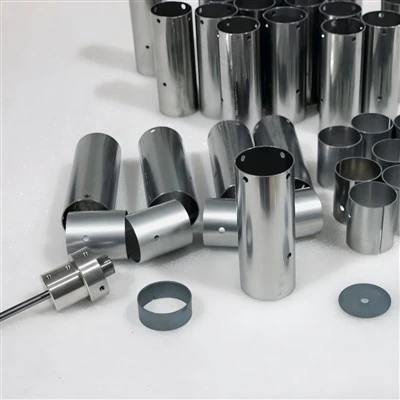
In the high-tech field. Every small breakthrough in science often determines whether the entire system can overcome the life-and-death "thermal barrier" and "corrosion barrier". Among the many refractory metal alloys, as shown in the high-precision niobium-zirconium alloy (such as Nb-1Zr) vessel shown in the picture, this special material with excellent plasticity and high temperature strength is becoming a new generation of extreme industrial An indispensable core force in thermal systems.
From Pure Metal to Alloying-How does Nb-1Zr break the curse of high temperature creep and brittleness? Since then, although pure niobium has a melting point as high as 2468 °C and good processability, its tensile strength and creep resistance are often stretched when it is in service at medium and high temperatures (such as above 1000 °C), and it is very easy to interact with oxygen, nitrogen and other gases. Reaction leads to performance degradation.
The introduction of trace amounts of zirconium (Zr, usually about 1%) has completely changed the microscopic fate of niobium alloys. The homogeneous dispersion of zirconium in niobium matrix can effectively dissolve and pin dislocations, and inhibit grain coarsening at high temperature. This makes the Nb-1Zr alloy container have excellent low-temperature plasticity and weldability, while its high-temperature strength and creep resistance have been doubled. This "four or two sets of kilograms" alloying design enables it to still have perfect geometric stability when withstanding thermal cycles.
The "Ultimate Utensil" of Liquid Metal and Space Nuclear Power If conventional refractory metal vessels mainly serve vacuum heat treatment or semiconductor sintering, then the real sea of stars for niobium-zirconium alloys lies in space nuclear reactors and liquid metal heat pipes system.
In the extreme where alkali metals (such as sodium, potassium, lithium) are used as coolants, many stainless steel or nickel-based alloys can suffer catastrophic liquid metal corrosion. The niobium-zirconium alloy has become the first choice for space nuclear power source systems and advanced propulsion heat-resistant vessels due to its extremely high chemical inertia to alkali metals, excellent thermal conductivity, and perfect compatibility with nuclear fuel cladding and heat transfer media at high temperatures. The precision-formed niobium-zirconium crucible/container shown in the picture is refined by seamless deep stamping and high vacuum stress relief annealing. Its dense surface and pure microstructure ensure the interweaving of severe radiation and strong corrosion. absolute safety.
With the explosive growth of commercial, space nuclear energy and extreme chemical technologies, the demand for customized components of high-performance refractory metals is moving from "laboratory research and development" to "large-scale engineering". The mature application of niobium-zirconium alloy (Nb-1Zr) vessels not only marks that my country has reached a new height in the field of deep processing and special welding of refractory metals, but also indicates that in the future interstellar exploration and clean energy territory, high-end Rare metal materials are playing an increasingly irreplaceable key role.