Application Trend of Zirconium and Zirconium Alloys (UNS R60702/R60704 and UNS R60802/R60804)
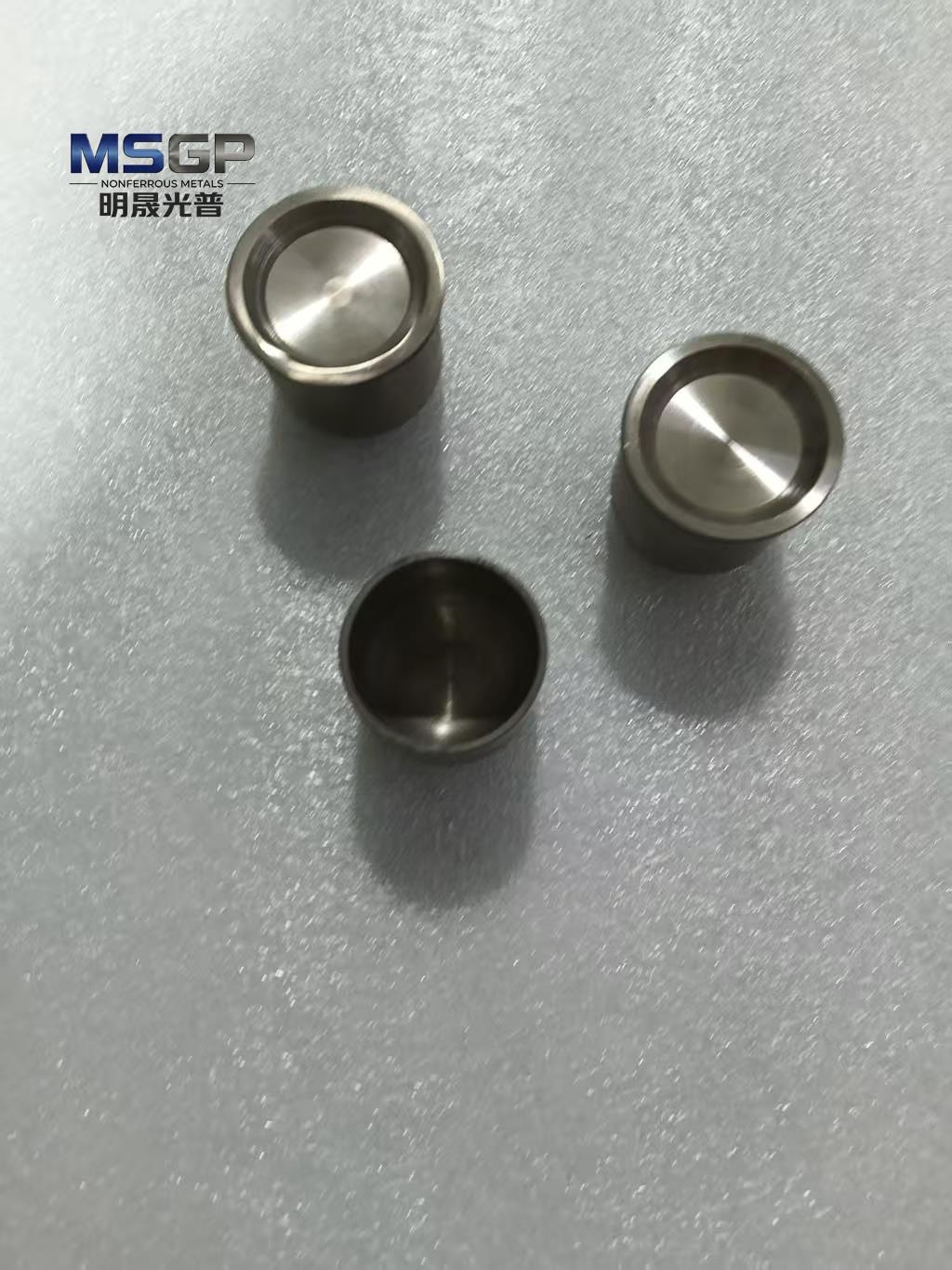
In the landscape of modern cutting-edge industries, the rare metal Zirconium (Zirconium) is shining in two seemingly completely different but equally extreme fields with its unique physical and chemical properties: one is the chemical process industry with strong corrosion interweaving, and the other is the high-heat, high-radiation nuclear power generation system. However, many practitioners in the field of non-polymer and materials engineering often regard "zirconium" as a single concept. In fact, according to different alloying designs and service conditions, zirconium materials are divided into completely different grade systems in international standards-the industrial corrosion-resistant series represented by UNS R60702/R60704, and the nuclear-grade special alloy series represented by UNS R60802 (zirconium-2)/R60804 (zirconium-4).
In-depth analysis of the core differences and application watersheds of these two series is of key significance for accurately grasping the direction of global advanced material procurement, R&D and manufacturing.
I. Core Gene Showdown: Composition and Property Differentiation between Industrial Pure Zirconium and Nuclear Grade Alloys
To understand the watershed in the application of these brands, it is first necessary to examine the fundamental differences between their chemical composition and microscopic design logic:
Industrial corrosion resistance series (UNS R60702/UNS R60704):
R60702 (industrial pure zirconium): The total content of Zr + Hf is ≥ 99. 2%, which belongs to unalloyed pure zirconium. It relies on the dense and self-healing zirconia (ZrO2) passivation film formed instantly by the substrate itself in oxidation, strong alkali and strong acid, providing nearly perfect chemical resistance.
R60704 (zirconium alloy): The introduction of appropriate amount of iron and chromium (Fe + Cr controlled at 0.20%-0.40%) and slightly higher oxygen content not only has good corrosion resistance, but also significantly improves the mechanical strength and tensile properties of the material.
Nuclear energy special alloy series (UNS R60802/UNS R60804, namely Zircaloy-2 and Zircaloy-4):
This grade belongs to nuclear-grade zirconium alloys with strict control of trace impurities and special addition of tin (Sn), iron (Fe), chromium (Cr) and nickel (Ni). Its core physical red line is that it must have an extremely low thermal neutron absorption cross section to ensure that the neutron economy inside the nuclear reactor will not be lost.
R60802 (Zircaloy-2): Contains trace nickel (about 0.05%), mainly used in boiling water reactors (BWR), etc.
R60804 (Zircaloy-4): A subversive improvement for the high temperature and high pressure water/steam of pressurized water reactors (PWR)-completely removing the nickel component and fine-tuning the iron content range. This key change greatly reduces the amount of hydrogen released and absorbed by R60804 into the metal during high-temperature water corrosion (about one-third of that of R60802), fundamentally avoiding material embrittlement failure caused by hydrides.
II. Complete distinction between performance and application direction
Due to differences in composition design, these two types of zirconium materials have gone to completely different industrial tracks:
| Material Series | Typical Grades | Core advantages & performance characteristics | Main application directions and scenarios |
| Industrial Corrosion Resistance Series | UNS R60702 UNS R60704 | Excellent acid, alkali and chloride stress corrosion resistance; Excellent processing plasticity and good creep resistance | Extremely High Temperature Water/Vapor Nuclear Power Industry: Fuel Cladding, Location Frames, Control Rod Guide Tubes and Core Structures in Light Water Reactors (LWR). |
| Nuclear Special Alloy | UNS R60802 (Zircaloy-2) UNS R60804 (Zircaloy-4) | Ultra-low Thermal Neutron Absorption Cross Section; Extremely Low Hydrogen Absorption and Excellent Creep Resistance | Chemical Process Industry (CPI): Reactors, heat ex-changers, columns, pipes and industrial crucibles with covers in acetic acid, hydrochloric acid, and hydrogen peroxide synthesis units. |
III. Future outlook of the industry: vertical and refined evolution of high-end special materials
From the perspective of global supply chain and advanced manufacturing, the parallelism of UNS R60702/60704 and UNS R60802/R60804 reflects the trend of "customization on demand and extreme subdivision" in modern material engineering.
For chemical equipment buyers, choosing R60702 means locking in a long-term fault-free operation cycle when faced with acetic acid or harsh pickling media; In the field of nuclear energy and cutting-edge clean energy, R60804, as a "lifeline material" to resist the risk of high temperature and high pressure water vapor erosion and hydrogen embrittlement, poses an almost harsh challenge to the control of hafnium impurity (usually requires Hf < 100ppm) and non-destructive flaw detection in the smelting process. challenge.
It is foreseeable that with the continuous upgrading of new energy, green chemical industry and nuclear energy safety standards around the world, the technical iteration of these two types of zirconium alloys in terms of micro-structure uniformity, precision deep processing and non-destructive testing of welds will lead the entire refractory The rare metal industry chain is leaping towards higher added value.