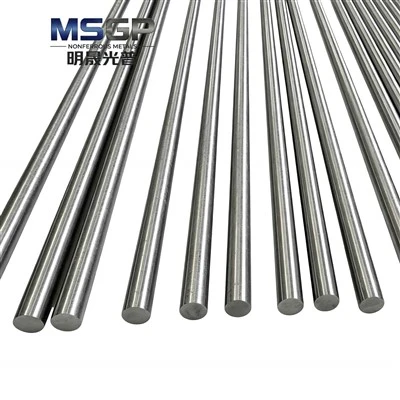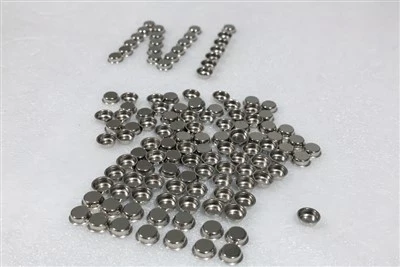
Although Nitinol contains as much as 50%–55% nickel, it typically does not cause nickel allergies or toxic reactions when implanted in the human body. Its safe application in humans relies primarily on the material's inherent chemical properties and rigorous medical-grade manufacturing processes. Key mechanisms ensuring its biocompatibility include:
1. Spontaneously formed titanium dioxide (TiO₂) protective layer
Titanium is a metal with a very strong affinity for oxygen. When a nickel-titanium alloy is exposed to air or bodily fluids, a highly dense titanium dioxide (TiO₂) passivation layer-ranging from just a few to several tens of nanometers in thickness-forms spontaneously and instantly on its surface.
Isolation barrier: This TiO₂ passivation layer is chemically inert (biologically inactive). It acts like a protective shell, completely encapsulating the internal nickel atoms and preventing contact with bodily fluids and tissues.
Extremely low release rate: Under the protection of this layer, the leaching of nickel ions is kept at an extremely low level-far below the amount of nickel ingested daily through a normal diet-thereby avoiding systemic toxicity or allergic reactions.
2. Medical-grade industrial surface passivation and electropolishing
Medical-grade nickel-titanium devices (such as stents and orthodontic archwires) undergo rigorous chemical processing before leaving the factory:
Pickling/Passivation: Strong acids are used to selectively dissolve and remove nickel atoms from the material's surface, leaving the outermost layer composed almost entirely of pure titanium; this facilitates the formation of a thicker, purer TiO₂ protective layer.
Electropolishing: This process eliminates microscopic pits and surface imperfections. A smooth, even surface significantly reduces the risk of localized corrosion and ensures the protective layer is more robust.
3. Are there any special cases?
Although nickel-titanium alloys are very safe, caution is warranted in a very small number of situations:
Individuals with severe nickel allergies: For patients with a known history of severe nickel allergy, doctors will carefully evaluate the situation or select alternative materials prior to implantation.
Surface damage: If a device undergoes severe wear or abnormal corrosion in extreme environments-damaging the protective layer-there may be a slight, short-term increase in nickel ion release. However, extensive clinical research has demonstrated that properly processed medical-grade nickel-titanium alloys offer a level of safety within the human body comparable to that of pure titanium and other titanium alloys.