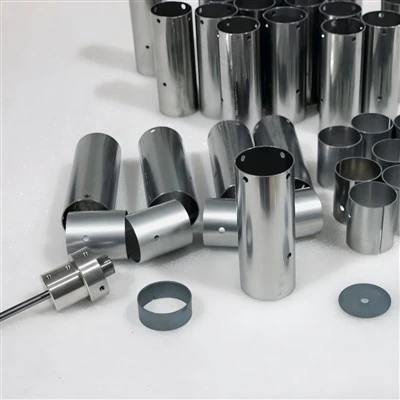
1. Only specifying grade/standard without clarifying surface finish, tolerance and processing condition
Many buyers only state Gr5 / ASTM B348 on purchase orders. However, ASTM B348 only covers chemical composition and mechanical properties, not diameter tolerance or surface requirements. Suppliers will default to hot-rolled black bars with loose h11 tolerance. If buyers actually require ground bars, peeled bars or precision h7 tolerance, insufficient machining allowance will lead to much higher CNC processing costs after delivery.
✅ Good practice: Specify clearly on PO: surface (ground/peeled/black), tolerance class, straightness and heat treatment condition (annealed / solution treated)
2. Confusing grades and arbitrarily substituting pure titanium with titanium alloy
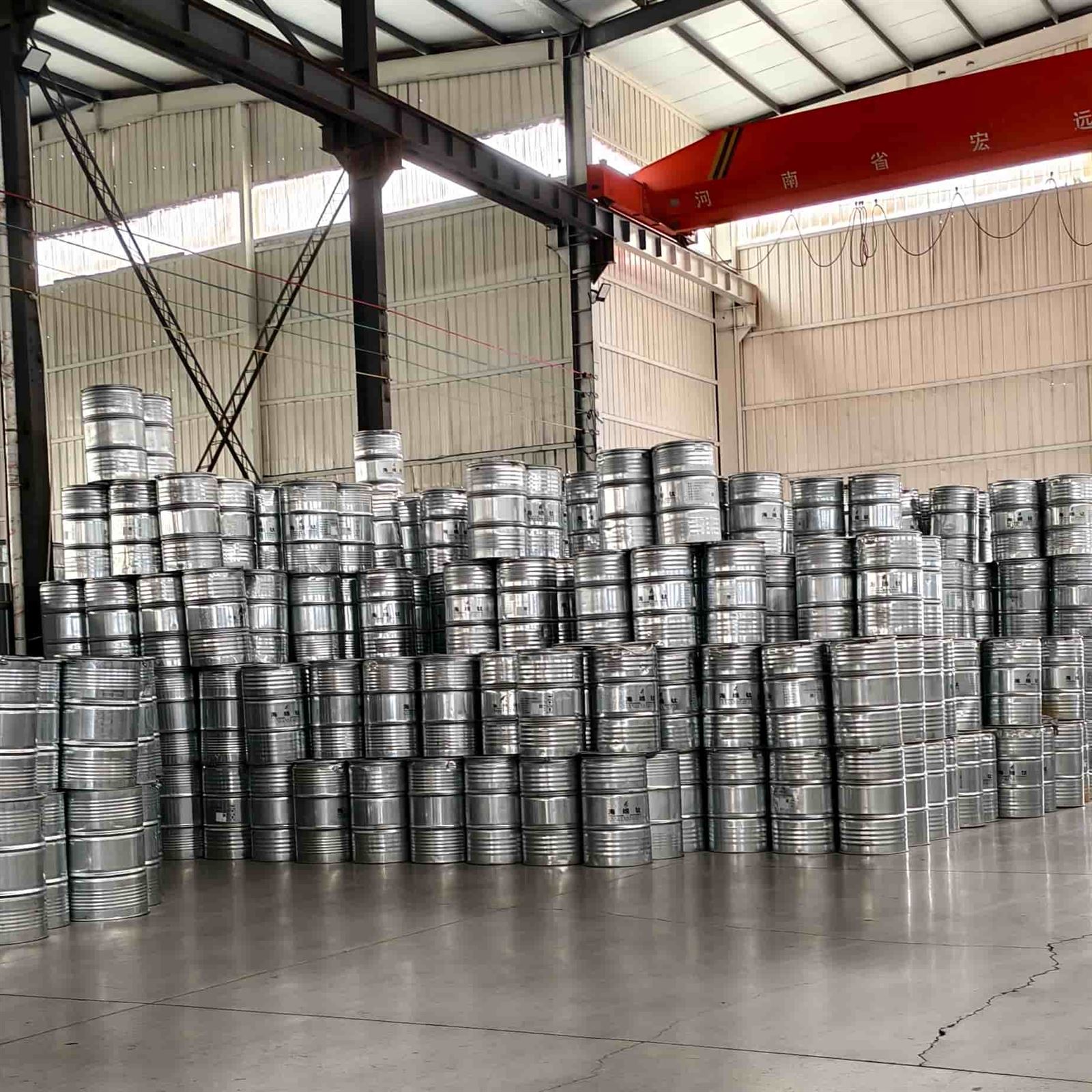
Some buyers think "titanium is all the same". They use Gr2 commercially pure titanium to replace Gr5 (Ti-6Al-4V) for load-bearing structural parts. Or for medical applications, they mix standard Gr5 with F136 ELI low-interstitial titanium. Excess oxygen and iron content will compromise strength, fatigue performance and biocompatibility. Titanium grades are abundant in Baoji with big price gaps, making grade mixing a frequent risk.
✅ Good practice: Lock the grade according to working conditions. Specify F136, AMS specifications separately for medical and aerospace use; do not simply write TC4.
3. Neglecting MTC material certificates and heat number traceability, accepting certificates without heat numbers
Buyers only receive a simple certificate and fail to verify the Heat No.. Mismatch among heat numbers on certificates, marking labels and packing lists is common; some suppliers even use copied or fake MTR templates. For aerospace, medical and pressure vessel applications, PMI recheck and traceability become impossible, resulting in customer rejection and high compliance risks. Many traders cannot provide original mill certificates from smelters.
✅ Good practice: Require EN10204 3.1 certificates, heat number marking on each bar. Arrange third-party PMI/XRF inspection for critical orders.
4. Prioritizing low prices only, ignoring whether raw material is virgin titanium or recycled scrap
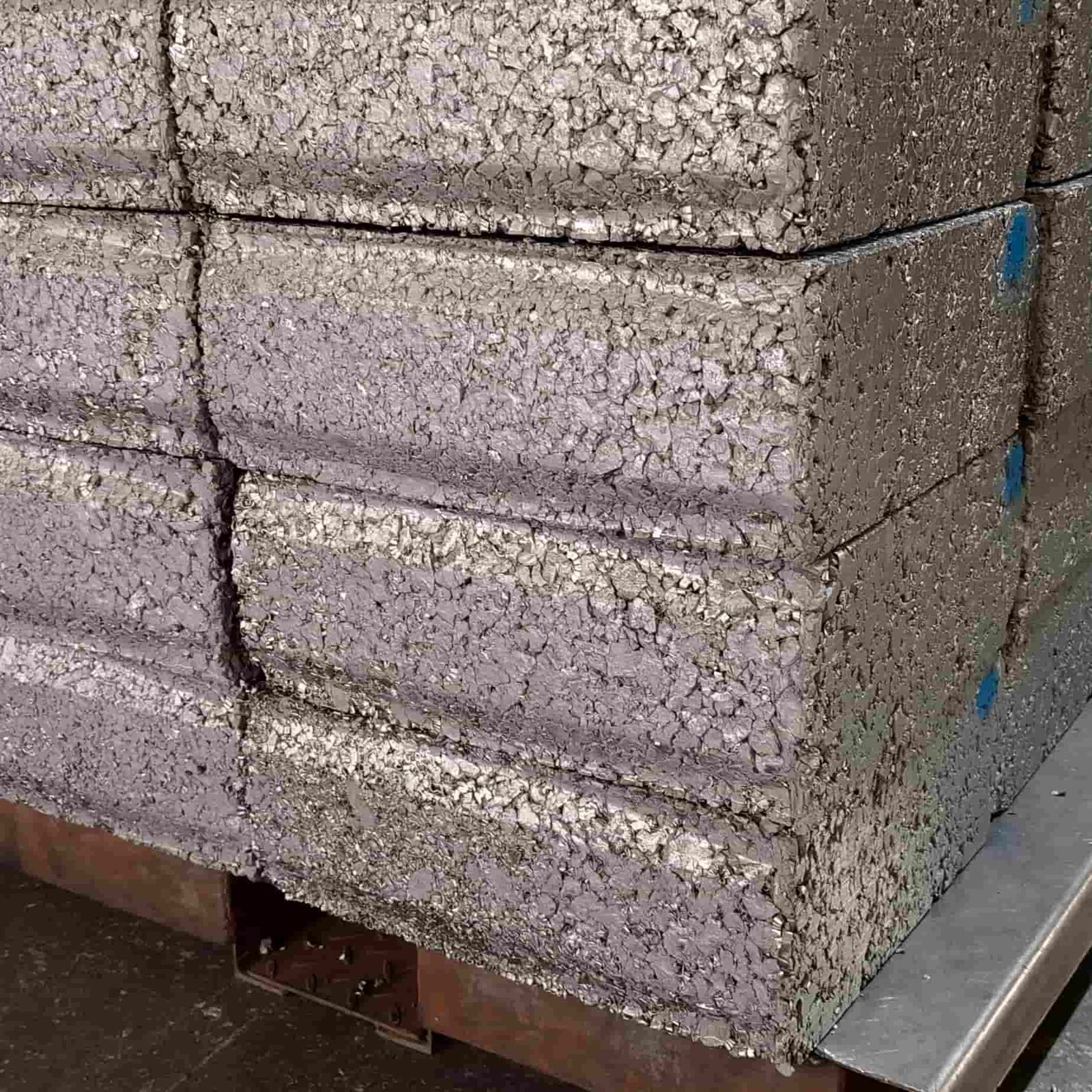
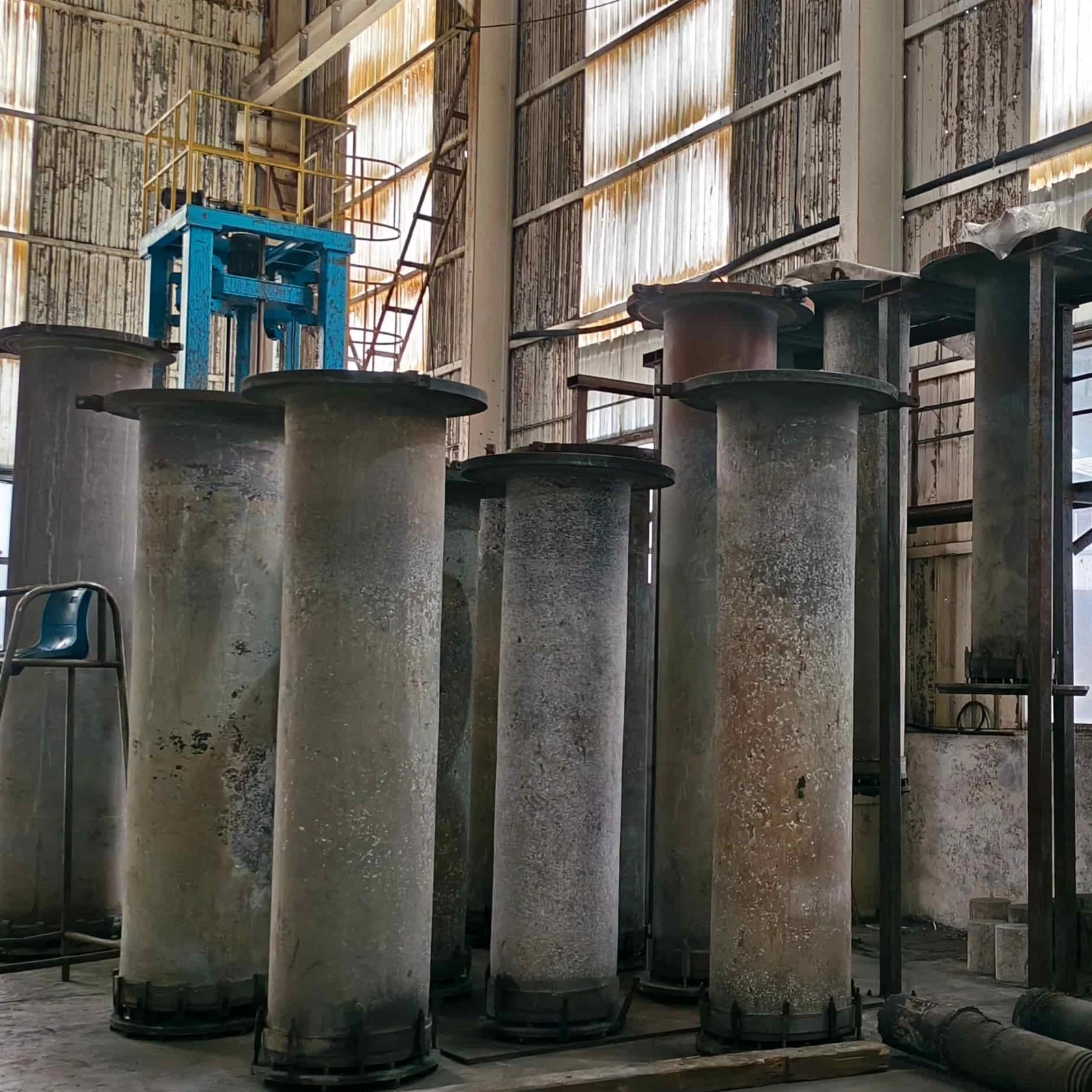
Low-priced goods often contain uncontrolled titanium scrap returns. Interstitial elements (O, N, H) fluctuate greatly, leading to unstable mechanical performance and failed UT ultrasonic testing. Bulk stock lots carry far higher risks of mixed heats and mixed materials than mill-run custom rolled materials.
✅ Good practice: When comparing quotations, confirm the raw material is virgin sponge titanium, and check whether additional tests such as UT and eddy current testing are included.
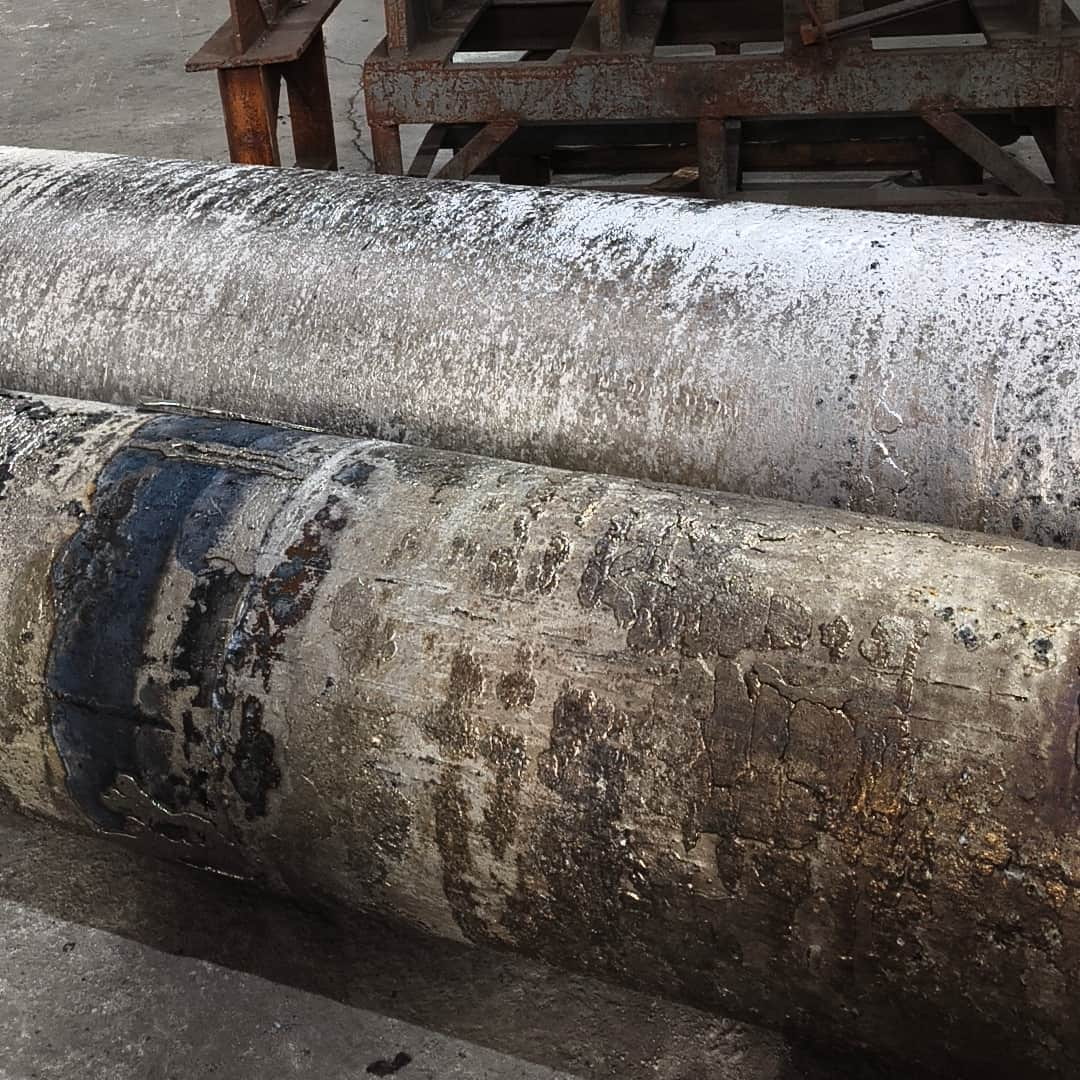
5. Underestimating export packaging, marking and documentation compliance risks
Titanium bars are long and relatively soft. They are prone to scratches and bending during sea shipment. Mixed heat numbers in one package and unclear labels are common issues. Wooden cases without fumigation, missing certificates of origin and incomplete export declaration documents will cause customs clearance delays at destination, surface damage and batch identification failure. Many buyers assume "standard export packaging" without writing separate requirements in contracts, such as separating different heats, individual film wrapping, rigid timber framing and contamination prevention.
✅ Good practice: Stipulate in contracts heat-separated packing, marking rules, IPPC fumigation and the full list of customs documents.