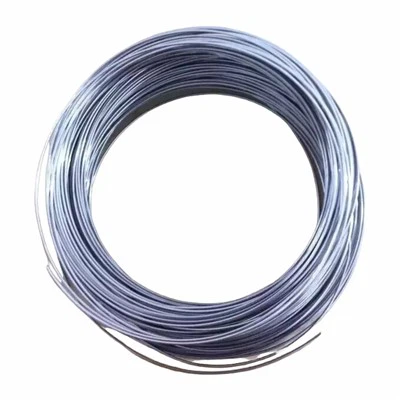

As a supplier of nickel wire, I understand the importance of preventing nickel wire from rusting. Rust not only affects the appearance of the wire but also compromises its performance and longevity. In this blog post, I will share some effective methods to prevent nickel wire from rusting based on scientific knowledge and practical experience.
Understanding the Rusting Process of Nickel Wire
Before we discuss prevention methods, it's essential to understand how nickel wire rusts. Rusting is a form of corrosion that occurs when metal reacts with oxygen and moisture in the environment. Although nickel is relatively resistant to corrosion compared to some other metals, it can still rust under certain conditions.
Nickel forms a thin oxide layer on its surface when exposed to air, which provides some protection against further oxidation. However, if the oxide layer is damaged or if the wire is exposed to harsh environments, such as high humidity, acidic or alkaline solutions, or saltwater, the nickel can start to corrode.
Prevention Methods
1. Surface Coating
One of the most effective ways to prevent nickel wire from rusting is to apply a protective coating. There are several types of coatings available, each with its own advantages.

- Electroplating: Electroplating involves depositing a thin layer of another metal, such as chromium or zinc, onto the surface of the nickel wire. This creates a barrier that prevents oxygen and moisture from reaching the nickel, thus reducing the risk of rusting. Electroplated coatings are durable and can provide long - term protection.
- Paint or Varnish: Applying a layer of paint or varnish can also protect the nickel wire. These coatings act as a physical barrier, preventing moisture and oxygen from coming into contact with the metal. However, they may need to be reapplied periodically, especially if the wire is exposed to harsh conditions.
2. Proper Storage
Proper storage is crucial for preventing nickel wire from rusting. Here are some storage tips:
- Dry Environment: Store the nickel wire in a dry place with low humidity. High humidity can accelerate the rusting process, so it's best to keep the wire in an environment with a relative humidity of less than 50%. You can use dehumidifiers in the storage area to maintain a low - humidity environment.
- Avoid Contact with Corrosive Substances: Keep the nickel wire away from acidic or alkaline substances, as well as saltwater. These substances can react with the nickel and cause corrosion. If the wire needs to be stored near chemicals, make sure it is properly sealed and protected.
- Separate Storage: Store the nickel wire separately from other metals. Different metals can create a galvanic cell when in contact, which can accelerate the corrosion process. Use separate storage containers or racks for nickel wire.
3. Regular Inspection and Maintenance
Regular inspection and maintenance can help detect and prevent rusting at an early stage.
- Visual Inspection: Periodically inspect the nickel wire for signs of rust, such as discoloration or pitting. If you notice any signs of rust, take immediate action to prevent it from spreading.
- Cleaning: Clean the nickel wire regularly to remove dirt, dust, and other contaminants. Use a mild detergent and a soft cloth to clean the wire, and then dry it thoroughly to prevent moisture from accumulating.
4. Control of Environmental Conditions
In addition to proper storage, controlling the environmental conditions where the nickel wire is used can also help prevent rusting.
- Temperature Control: Extreme temperatures can affect the corrosion rate of nickel wire. Try to keep the temperature within a reasonable range. High temperatures can accelerate the oxidation process, while very low temperatures can cause moisture to condense on the wire, increasing the risk of rusting.
- Air Circulation: Good air circulation can help reduce humidity and prevent the accumulation of moisture around the nickel wire. Make sure the area where the wire is used or stored has proper ventilation.
The Importance of Quality Nickel Wire
Using high - quality nickel wire is also an important factor in preventing rusting. High - quality nickel wire has a more uniform composition and a better - formed oxide layer on its surface, which provides better protection against corrosion.
For example, our Ni200 Nickel Wire is made of pure nickel with high purity and excellent quality. It has a smooth surface and a stable oxide layer, which makes it more resistant to rusting compared to lower - quality nickel wires.
Conclusion
Preventing nickel wire from rusting requires a combination of proper storage, surface coating, regular inspection, and control of environmental conditions. By following these methods, you can extend the lifespan of the nickel wire and ensure its optimal performance.
If you are interested in purchasing high - quality nickel wire or have any questions about preventing rusting, please feel free to contact us for procurement and negotiation. We are committed to providing you with the best products and services.
References
- Metals Handbook Committee, "Metals Handbook: Properties and Selection: Nonferrous Alloys and Pure Metals", ASM International.
- Uhlig, H. H., & Revie, R. W., "Corrosion and Corrosion Control: An Introduction to Corrosion Science and Engineering", John Wiley & Sons.