


Recently, the global niobium industry has suffered a double blow from geopolitical conflicts and accidents in mining areas. Core logistics channels have been blocked, and supply in key production areas has been interrupted. Adding to the already tight supply and demand pattern, niobium spot market premiums have continued to rise, further intensifying the short-term supply tension in the industry.
As the core supply source of global industrial-grade niobium and niobium concentrate, Brazil's CBMM monopolizes nearly 80% of the world's niobium resources, while African regions such as the Democratic Republic of the Congo and Tanzania are important supplementary niobium ore production areas. In late March, a large-scale landslide occurred in the main niobium mining area in eastern Congo, causing three local medium-sized niobium mines to suspend production. It is expected to affect the monthly niobium concentrate production by about 1,200 tons, accounting for 15% of global non-Brazilian supply. After the accident, emergency repairs were launched in the mining area. However, due to complex geological conditions, the resumption of production was postponed to at least mid-to-late April, which directly reduced the global supply of niobium concentrate in the short term and further tightened market circulation.
The impact on the logistics side is more direct and far-reaching. As the core logistics channel for global energy and commodities, the recent geopolitical conflicts in the Strait of Hormuz have continued to escalate. Shipping safety risks have increased. Many international shipping routes have adjusted their detour plans. The shipping cycle has been extended by an average of 7-10 days, and transportation costs have increased by more than 30%. Niobium products mainly rely on shipping from Brazil and Africa to core consumer markets such as China, Europe, and North America. The obstruction of shipping routes has directly led to delays in the delivery of global niobium ingots, ferroniobium, and other products. The order schedule of some downstream steel mills and alloy companies has been postponed to June, and it is "hard to find a single product" in the spot market.
The dual disturbances on the supply side form a sharp contradiction with the continuously growing demand. Currently, the global demand for lightweight automobiles, oil and gas pipeline construction, and high-end steel microalloying is steadily released. The application of thin film lithium niobate in the fields of optical communications and AI computing power is exploding, further driving up the demand for high-purity niobium and niobium alloys. Data show that global niobium demand increased by 8.2% year-on-year in the first quarter of 2026, while supply increased by only 1.1% during the same period, and the gap between supply and demand continued to expand.
Affected by this, the domestic niobium spot market price rose rapidly. The spot quotation of industrial-grade niobium ingots exceeded 650 yuan/kg, an increase of 12% from the beginning of March, and a cumulative increase of more than 160% from the beginning of 2025, a record high in the past eight years. The export price of Brazilian niobium ingots in overseas markets rose to 95-100 US dollars/kg, and the spot premium was 20%-25% higher than the negotiated price. Domestic traders reported that the current spot inventory is at a historical low, and the premium for some specifications of high-purity niobium products has exceeded 30%. It has become significantly more difficult for downstream companies to purchase, and some small and medium-sized steel mills have been forced to adjust production plans and reduce the output of niobium micro-alloyed steel.
Industry analysts pointed out that this supply chain shock is not a short-term incident. On the one hand, the geopolitical situation in the Strait of Hormuz is difficult to significantly ease in the short term, and shipping disturbances will continue to affect the global circulation of niobium products; on the other hand, the recovery period for landslides in mining areas in the Democratic Republic of the Congo is long, and the infrastructure in African mining areas is weak, so there is still uncertainty about the subsequent resumption of production. Brazil's CBMM production expansion cycle is as long as 5-8 years, and no new production capacity will be released in the short term. Global niobium supply is extremely rigid, and the tight balance between supply and demand will continue until the second half of 2026.
For the domestic market, my country's niobium resources are more than 95% dependent on foreign countries. This supply chain fluctuation further highlights the importance of strategic resource security. At present, breakthroughs have been made in the domestic exploration of super-large niobium mines in Hubei, and the dressing and smelting technology continues to be upgraded, but it will take time to put it into large-scale production. In the short term, downstream companies need to do a good job in inventory management and reasonably plan the procurement rhythm; in the long term, they need to accelerate the development of domestic niobium resources and the localization of high-end niobium materials to reduce reliance on a single overseas supply.
As the impact of geopolitical conflicts and mining accidents continues to ferment, the spot price of niobium is expected to remain high and fluctuate in the second quarter, with premium levels likely to rise further. The global niobium industry will enter a critical cycle of "high prices and tight supply."
Our Niobium Products

Niobium Plate
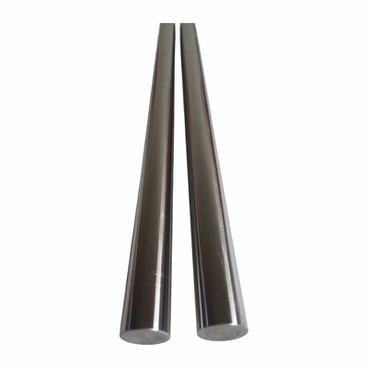
Niobium Bar
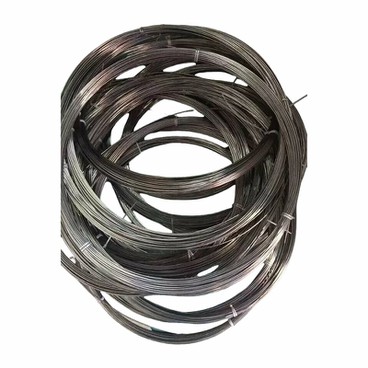
Niobium Wire
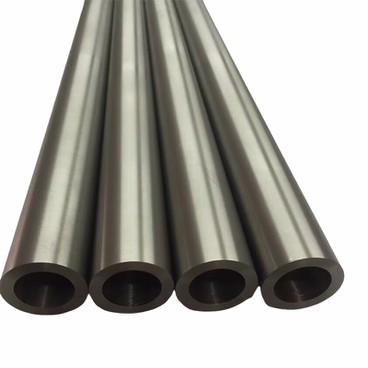
Niobium Tube
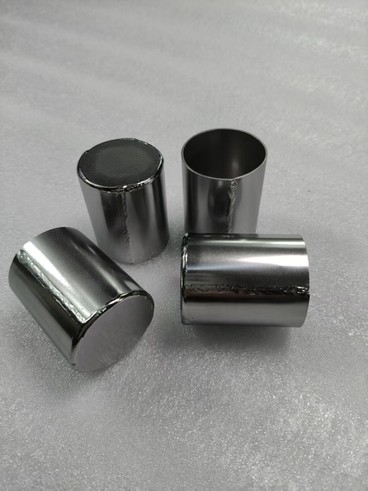
Niobium Welded Crucible
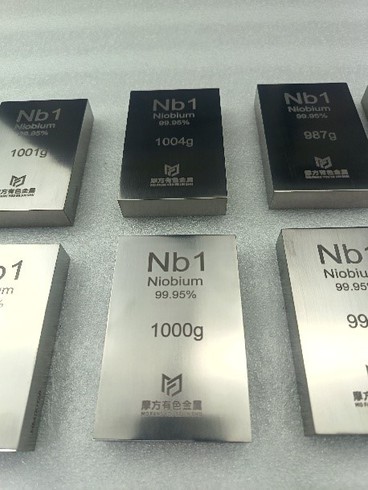
Niobium Block
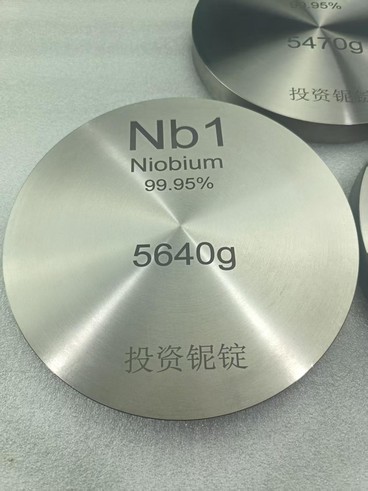
Invest in Niobium Ingots
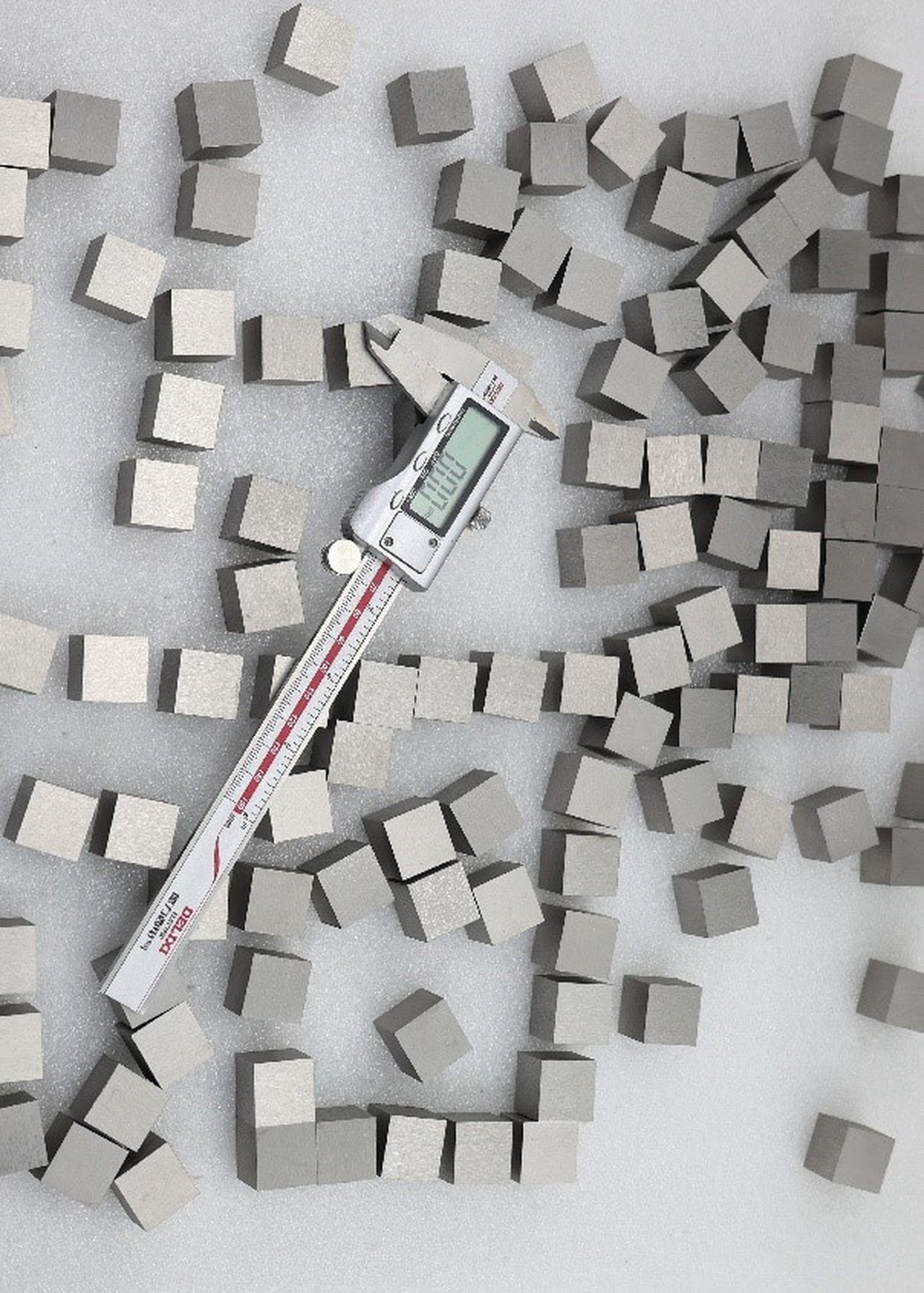
Niobium Cube
lisa
Sales Manager
Phone Number/WhatsApp/WeChat
(86)-18291772322
Ta-Nb@titanmsgp.com



