



Hey there! As a titanium supplier, I'm super stoked to chat about how titanium is used in electrical applications. Titanium is an amazing metal, and its unique properties make it a top choice in the electrical world.
First off, let's talk about why titanium is so great for electrical stuff. Titanium is highly corrosion - resistant. This means that in electrical setups, especially those in harsh environments like near the ocean or in industrial areas with lots of chemicals, titanium won't rust or corrode easily. That's a huge plus because corrosion can mess up electrical connections and cause all sorts of problems.
One of the key areas where titanium shines in electrical applications is in wiring and connectors. Titanium wires are often used in high - end electrical systems. They have good electrical conductivity, although it's not as high as copper, but they make up for it with their durability. Titanium connectors are also very popular. They can withstand high temperatures and mechanical stress, which is crucial in electrical circuits that generate a lot of heat or are subject to vibrations.
For example, in aerospace electrical systems, titanium is used extensively. Planes have complex electrical networks, and the reliability of these systems is of utmost importance. Titanium connectors and wires can ensure that the electrical signals are transmitted accurately and without interruption, even under extreme conditions like high altitudes and rapid temperature changes.
Another cool application is in electrical contacts. Titanium can be used to make electrical contacts that are more resistant to wear and tear. In switches and relays, where the contacts are constantly opening and closing, titanium can provide a longer lifespan compared to other materials. This reduces the need for frequent replacements and maintenance, which is a big advantage for both manufacturers and end - users.
Now, let's get into some specific products. If you're looking for a Titanium Reducer, it can be used in electrical systems where you need to connect different sized pipes or tubes. These reducers are made of high - quality titanium, which not only provides a strong and reliable connection but also resists corrosion.
Titanium Socket Head Screws are also essential in electrical applications. They are used to secure electrical components in place. Titanium's high strength - to - weight ratio means that these screws can hold things firmly without adding too much weight. This is especially important in applications like portable electronics or in systems where weight is a concern.
The Titanium Heat Exchanger Tube is another great product. In electrical systems, heat management is crucial. These tubes can efficiently transfer heat away from electrical components, preventing overheating. Titanium's excellent heat transfer properties and corrosion resistance make it an ideal material for heat exchanger tubes.
In power generation, titanium is also used. For example, in hydroelectric power plants, titanium can be used in the electrical control systems. The metal's resistance to water corrosion is a huge advantage in these wet environments. It can ensure the long - term reliability of the electrical components in the power plant.
In the field of renewable energy, such as solar power, titanium is used in the electrical connections of solar panels. The panels are often exposed to the elements, and titanium's corrosion resistance helps to keep the electrical connections stable over time. This is important for the overall efficiency and lifespan of the solar power system.
Titanium is also used in battery technology. Some advanced batteries use titanium - based materials in their electrodes. Titanium can improve the performance and stability of the battery, leading to longer battery life and better charging and discharging cycles.

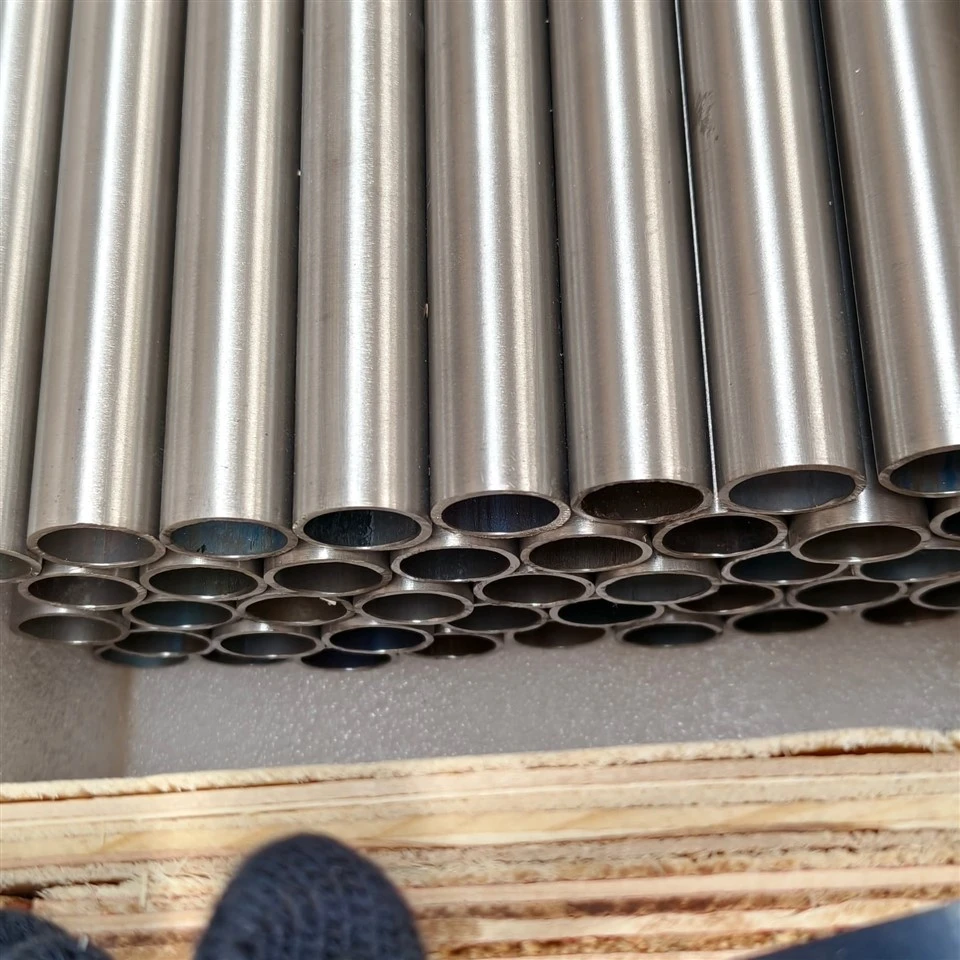
If you're in the market for titanium products for your electrical applications, we're here to help. We offer a wide range of high - quality titanium products that are suitable for various electrical needs. Whether you need a small titanium connector for a delicate electronic device or a large titanium heat exchanger tube for an industrial electrical system, we've got you covered.
We understand that every electrical project is unique, and we're committed to providing customized solutions. Our team of experts can work with you to understand your specific requirements and recommend the best titanium products for your application.
So, if you're interested in learning more about our titanium products or want to start a procurement negotiation, don't hesitate to reach out. We're eager to discuss how we can meet your needs and help you take your electrical projects to the next level.
References
- "Handbook of Titanium Alloys" by Yuri Estrin, Mykhaylo D. Kuznetsov, and Yuri V. Milman
- "Titanium: A Technical Guide" by John R. Davis


